


5Gネットワークでは、UEが登録を完了した後も、ページング、着信サービス、またはダウンリンクデータが到着した際にUEへ到達できるよう、コアネットワークはUEがどのあたりに存在するかを把握し続ける必要があります。しかしUEは同じ場所に留まりません。あるTracking Areaから別のTracking Areaへ移動したり、現在のAMFのサービスエリアから外れたりすることがあります。移動のたびにUEが新たな登録を行う必要があれば、制御プレーンのシグナリング量は過大になります。逆に位置を一度も更新しなければ、ネットワークは最終的にUEをどこで呼び出せばよいか分からなくなる可能性があります。 Mobility Registration Update は、位置精度とシグナリング負荷のバランスを取るために設けられています。
5GCシグナリングを学び始めた際によく生じる疑問は、UEがすでに登録済みなのに、新しいエリアへ移動した後でなぜ再びRegistration Requestを送る必要があるのか、という点です。別のgNBへ移るたびに更新が発生するのでしょうか。新しいTracking Areaへ入ると必ずAMFが変わるのでしょうか。これらはいずれも同じ原則に関係します。UEは5GS Registered状態のままですが、現在位置がネットワークから以前に割り当てられたRegistration Areaの外へ移動している可能性があります。そのため5GCはUEの位置を更新し、Serving AMFを継続するかどうかを判断し、次のモビリティ段階に適用するRegistration Areaを割り当てる必要があります。これは電源投入時の登録を再度行うものではなく、セルが変わるたびにUEが再登録する仕組みでもありません。UEの5GSモビリティコンテキストの連続性を維持するための手順です。
Registration Areaからの離脱がモビリティ更新の主要トリガー
5GCの登録はInitial Registrationだけではありません。Registration Requestに含まれる5GS registration typeにより、Initial Registration、Mobility Registration Update、Periodic Registration Update、Emergency Registrationなどの手順が区別されます。モビリティシナリオで特に混同されやすいのが、Tracking Area(TA)とRegistration Areaの違いです。
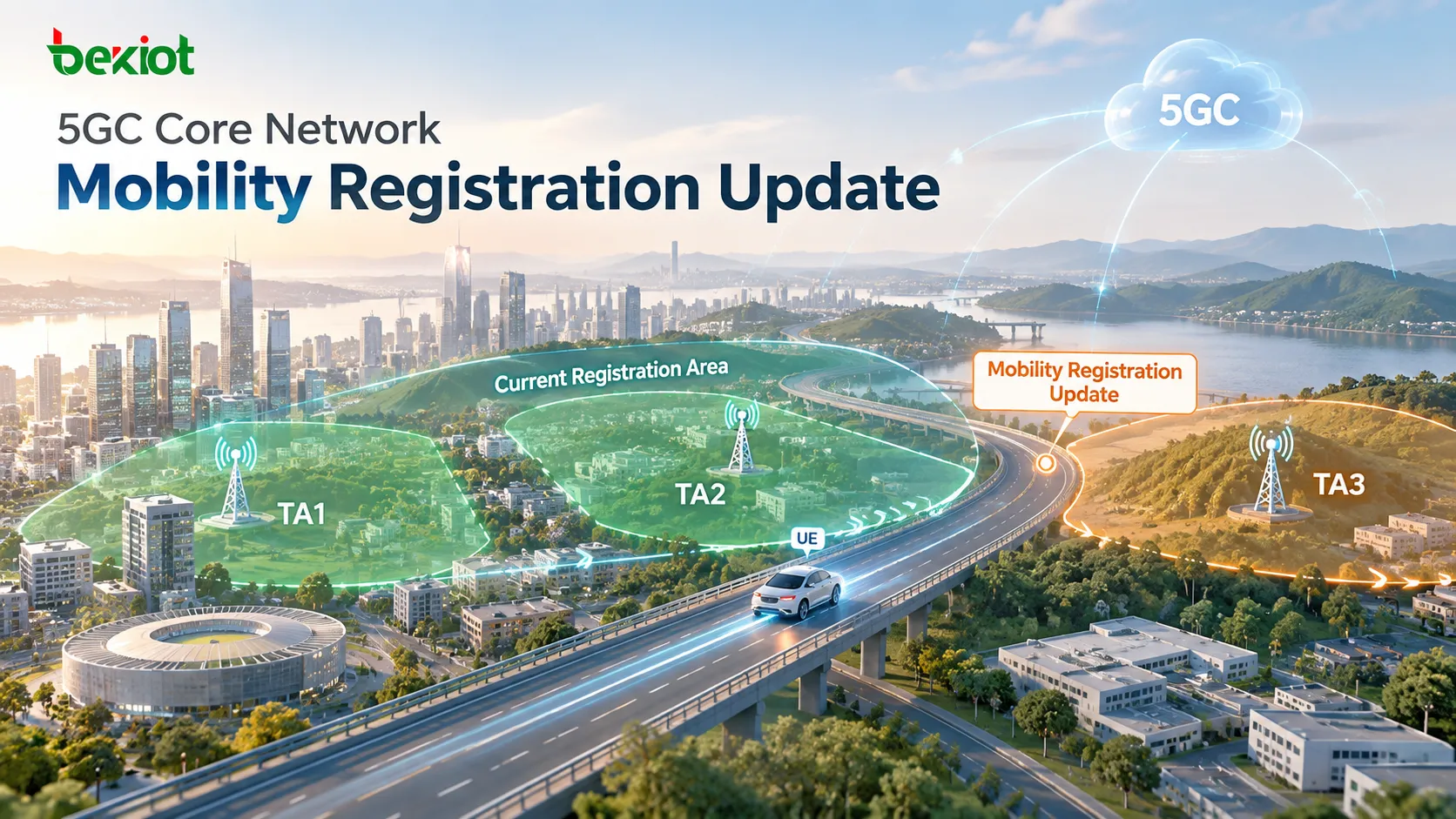
TAはネットワークが位置管理に使用する基本エリアの1つであり、Registration AreaはAMFがUEに登録状態の維持を許可するTAの集合です。Registration Areaには1つのTAだけを含めることも、複数のTAを含めることもできます。たとえば、あるAMFがTA1、TA2、TA3、TA4を担当している一方で、UEの移動特性に基づいてTA1とTA2のみをそのUEの現在のRegistration Areaとして割り当てているとします。このUEがTA1からTA2へ移動しても、まだ登録エリア内にいるため、TAが変わったという理由だけでMobility Registration Updateを行う必要はありません。
UEがさらにTA3へ移動し、TA3が現在保存されているRegistration Areaに含まれていない場合は状況が変わります。UEは現在のTAIが登録エリア外にあることを検出し、新しいNAS Registration Requestを送信して5GS registration typeを mobility registration updatingに設定します。したがって、セル変更だけでMobility Registration Updateが自動的に発生するわけではなく、TA変更であっても常に発生するわけではありません。典型的なトリガーは、UEが現在のRegistration Area外にあるTAへ入ることです。
これがRegistration Areaという概念の目的です。UEはTA境界を越えるたびに5GCとやり取りすることなく、定められた範囲内を移動できます。これにより、位置精度と制御プレーンのシグナリング負荷を両立できます。移動範囲が広いUEにはより大きなTAリストを割り当てることができ、より精密な位置追跡が必要な場合にはRegistration Areaを小さくすることもできます。そのためRegistration Area自体がモビリティ管理ポリシーの一部です。
Registration Requestは既存のモビリティ状態をどのように5GCへ持ち戻すのか?
Mobility Registration UpdateとInitial Registrationの最も明確な違いは、UEが完全に未知の加入者ではないことです。UEはすでに5GS登録を完了しており、通常はネットワークから割り当てられた5G-GUTI、Registration Area、関連するNASコンテキストなどを保持しています。そのため新しいRegistration Requestは、ゼロから識別情報を確立するためのものではありません。ネットワークに対して「私はすでに把握されている同じUEだが、モビリティ上の位置が変わった」と伝えるものです。
UEはまず新しいgNBを通じて制御プレーンアクセスを確立します。次にgNBはNAS Registration RequestをNGAP Initial UE Message内でAMFへ転送します。Initial UE MessageはNAS-PDUに加え、現在のNR-CGIやTAIなどのアクセス位置情報も提供します。典型的なMobility Registration Updateでは、Registration Requestに複数の重要な情報要素が含まれることがあります。5GS registration typeは手順がmobility registration updatingであることを示し、5G-GUTIは以前のUE登録に関連するAMFまたはGUAMIをネットワークが特定するために使われます。Last Visited Registered TAIは以前登録されていた位置の参照を提供し、UE Security Capabilityは対応するNAS暗号化および完全性保護アルゴリズムを示します。PDU Session StatusはUEがまだ有効だと認識しているPDU Sessionを反映し、Requested NSSAIは必要に応じてUEが要求するネットワークスライスを示します。
したがってトレース解析で最初に確認すべきなのは、後続で認証が行われるかどうかではありません。まずRegistration Request自体がInitial RegistrationではなくMobility Registration Updateとして明確に識別されているかを確認する必要があります。登録タイプを誤って解釈すると、その後のシグナリングフロー全体を誤った前提で解析しやすくなります。
同一AMF内の更新とAMF間更新で経路が異なるのはなぜか?
Registration Areaを離れることは、必ずしも現在のAMFのサービスエリアを離れることを意味しません。この違いが、その後のシグナリング手順の複雑さを直接決定し、Mobility Registration Update解析で最初に識別すべき分岐の1つになります。
Serving AMFは変わらない
あるAMFがTA1とTA2の両方を担当しており、ネットワークが以前はTA1だけをUEのRegistration Areaとして割り当てていたとします。UEがTA1からTA2へ移動すると、TA2は現在のRegistration Area外にあるためMobility Registration Updateが必要です。ただしTA2は同じAMFのサービスエリア内にあります。
この場合、実際のOld AMFからNew AMFへの移行はありません。現在のAMFがすでにUEのモビリティコンテキストを保持しているため、新しい位置を処理し、Registration Areaを更新し、必要なポリシーやコンテキスト情報を更新すれば足ります。Registration Areaは変わりますが、Serving AMFは変わりません。
Serving AMFが変わる
UEがあるAMFのTAから別のAMFが担当するTAへ移動すると、手順はより複雑になります。たとえばUEがAMF1配下で登録を完了し、AMF1に関連付けられた5G-GUTIを取得していたとします。その後、新しいgNBを介してAMF2のサービスエリアへ移動すると、New AMFはそのUEが誰なのか、以前どのAMFが担当していたのか、どのコンテキストを再利用できるのかを把握する必要があります。
そのためAMF間のMobility Registration Updateは、単なる位置更新ではありません。さらに UEのモビリティ管理コンテキストの引き継ぎ を以前のServing AMFから新しいAMFへ行います。

New AMFはどのようにOld AMFを見つけ、UEコンテキストを取得するのか?
AMF間モビリティのシナリオで、New AMFがRegistration Requestを受信した後に最初に解決すべき問題は、加入者がデータサービスを確立できるかどうかではなく、どのAMFが以前UEを管理していたかを特定することです。ここで5G-GUTIが重要な役割を果たします。一時識別子に含まれるGUAMI関連情報により、ネットワークは以前UEを担当していたAMFを特定できます。New AMFはOld AMFを特定し、Namf_Communicationサービスを通じて既存のUE Contextを要求できます。
典型的な流れは単純です。UEは以前の5G-GUTIを使用してMobility Registration Updateを送信し、New AMFは5G-GUTIからAMF関連の識別情報を抽出します。Old AMFが特定されると、New AMFがUE Contextを要求し、Old AMFが転送可能なモビリティコンテキストを返します。この情報によりNew AMFはSUPI、GPSI、PEI、Access and Mobility Contextの一部などの識別・モビリティ情報を復元でき、新しいServing AMFはUEを完全に未知の端末として扱うのではなく、既存のUE状態から処理を継続できます。
Old AMFからコンテキストを取得したからといって、その後のすべてのセキュリティ手順を必ず省略できるわけではありません。利用可能な識別情報やセキュリティコンテキストが不十分な場合、ネットワークはUEのSUCIを再度要求し、現在のセキュリティ条件に応じて識別確認または5G-AKA認証を実行することがあります。したがってトレース解析では、Mobility Registration Updateでは必ず完全な再認証が必要だという前提と、Old AMF Contextがあれば認証は絶対に発生しないという前提の両方を避けるべきです。Identity Requestや完全な5G-AKAが現れるかどうかは、転送されたUE Context、NAS Security Context、ネットワークポリシーに依存します。
UDM、NRF、PCFはServing AMFの引き継ぎをどのように完了するのか?
Old AMFからUE Contextを取得しても、サービス関係の移管が完全に終わったことにはなりません。5GCでは、ユーザー位置とサービス状態が複数のネットワーク機能に分散しています。特にUDMは、現在どのAMFがUEのサービスを担当しているかを把握する必要があります。
New AMFはNRFを使用して必要なサービスを提供するUDMを検出し、その後UDMに新しい3GPP Access Registrationを登録できます。この手順はAMF間シナリオで特に重要です。UDM内のServing AMF記録をOld AMFからNew AMFへ切り替える必要があるためです。UDMはその後、Old AMFに対して該当するDeregistration Notificationを発行し、以前のサービス関係を解放できます。
New AMFは現在のAccess and Mobility Subscription Dataも必要とします。これにはGPSI、Subscribed NSSAI、UE-AMBR、周期登録パラメータ、RAT制限、エリアアクセス制限などが含まれる場合があります。後続のPDU Session処理でSMF選択が必要な場合、AMFは関連するS-NSSAIに対応するDNNおよびDefault DNN情報を含むSMF Selection Subscription Dataも取得し、その加入データ変更を購読できます。PCFはAccess and Mobility Policyを提供することでこの処理を補完します。New AMFは適切なPCFを選択し、AM Policy Associationを確立して、エリア制限などのモビリティポリシー情報を取得できます。
これらの手順はそれぞれ異なる問題を解決します。Old AMF Contextは、UEが以前どの状態にあったかをNew AMFへ伝えます。UDM Registrationは、現在どのAMFがUEを担当しているかをコアネットワークへ伝えます。Subscription Dataは、加入者が何を利用できるかをNew AMFへ示します。PCF Policyは、現在適用されるモビリティおよびアクセス規則をAMFへ示します。そのためMobility Registration Updateを「AMFがTAIを更新するだけ」と捉えるべきではありません。AMF間シナリオでは、モビリティ管理の責任も一方のAMFからもう一方へ移されます。
Registration AcceptはUEの次の移動範囲をどのように定義するのか?
識別情報、コンテキスト、加入データ、ポリシーの処理が完了すると、AMFは新しい登録状態をgNBとUEの双方へ反映する必要があります。典型的な手順では、AMFはNGAP Initial Context Setup Requestを使用してgNB内のUE関連コンテキストを確立または更新しながら、NAS Registration AcceptをUEへ配信できます。
Registration Acceptで重要なのは、単に登録成功を示すことだけではありません。このメッセージは、UEが次のモビリティ段階でどのように動作すべきかを定義するパラメータも提供します。AMF間移動後には、新しいServing AMFを反映するために新しい5G-GUTIが割り当てられる場合があります。Allowed NSSAIは現在UEに許可されているネットワークスライスを示します。T3512は将来のPeriodic Registration Updateに関連するタイミングを定義します。TA List、すなわちRegistration Areaは、同じ種類のMobility Registration Updateを再度発生させることなく、登録状態を維持したままUEが移動できるTAを示します。
gNBが対応するコンテキスト処理を完了するとInitial Context Setup Responseを返し、UEはRegistration Completeを送信します。これで現在のMobility Registration Updateは完了します。状態遷移の観点では、UEが既存のRegistration Areaを離れ、Registration Requestが以前のモビリティ識別情報を5GCへ持ち込み、ネットワークがServing AMFを変更すべきか判断し、必要に応じてOld AMFからUE Contextを転送し、New AMFがUDM登録を完了して必要な加入・ポリシー情報を取得し、Registration Acceptが新しい5G-GUTIとRegistration Areaを提供し、最後にUEがRegistration Completeを返す、という流れです。
トラブルシューティングも同じ状態遷移を追うことができます。Registration RequestがNew AMFへ届いているのにOld AMFを特定できない場合は、5G-GUTI、GUAMI、AMFアドレス設定を重点的に確認します。Old AMF Contextの取得には成功したもののUDM段階で処理が止まる場合は、UDM検出、AMF Registration、加入データ取得を確認します。コアネットワーク内部の処理は完了しているのにRegistration AcceptがUEへ届かない場合は、ポリシー結果、エリア制限、NGAPダウンリンクシグナリング、RANコンテキスト確立を調査します。5GC Mobility Registration Updateを理解する目的は、数十個のHTTP/2やNGAPメッセージを暗記することではなく、登録済みUEが移動した後にネットワークが次の3つの問いへどのように答えるかを理解することです。 UEはいまどこにいるのか、どのAMFが引き続き管理すべきか、次の移動期間にはどのRegistration Areaを適用すべきか?

よくある質問
UEは新しいTracking Areaへ入るたびにMobility Registration Updateを実行するのか?
必ずしもそうではありません。重要なのは、新しいTAがUEの現在のRegistration Areaに含まれているかどうかです。AMFがすでにTA1とTA2をUEのRegistration Areaとして割り当てている場合、TA1からTA2への移動は、TAが変わったという理由だけでは通常この更新を発生させません。Registration Area外のTAへ入ることが典型的なトリガーです。
Mobility Registration Updateでは必ずAMFが変わるのか?
いいえ。UEが現在のRegistration Areaを離れても、新しいTAが同じAMFのサービスエリアに含まれている場合があります。その場合Serving AMFは変わりません。Old AMFからNew AMFへのコンテキスト転送が必要なのは、別のAMFが担当すべきエリアへUEが移動した場合だけです。
すべてのMobility Registration Updateで5G-AKAが繰り返されるのか?
固定的なルールを前提にすべきではありません。識別手順や5G-AKAが繰り返されるかどうかは、利用可能なUE Context、NAS Security Context、ネットワークポリシーによって決まります。有効なコンテキストを継続利用できる場合、一部のセキュリティ手順は完全にやり直す必要がないことがあります。識別情報やセキュリティ条件が不十分な場合は、ネットワークが必要な認証手順を再度実行することがあります。
UEが4Gから5Gへ移る際の更新と、5GC内部のMobility Registration Updateはどう違うのか?
どちらのシナリオでも登録タイプとしてMobility Registration Updateが使用されることがありますが、モビリティコンテキストの出所が異なります。5GS内だけで完結するモビリティでは通常、Old AMFとNew AMF間のモビリティコンテキストが関係します。一方、4Gから5Gへのアイドルモード相互接続では、MME、N26、EPSコンテキストと5GSコンテキスト間の変換が追加で関係する場合があります。シグナリングトレースを解析する際は、UEが5GS内部を移動しているのか、それともEPCから5GCへ入っているのかを最初に判断する必要があります。