
百科事典
2026-06-08 16:56:25
ユーザー認証にはどのような特別な機能があるのか
ユーザー認証はアクセス許可前にデジタルIDを確認し、アカウント、デバイス、アプリ、ネットワーク、API、機密業務データを保護します。

ベッケテレコム

ユーザー認証にはどのような特別な機能があるのか

ユーザー認証は、人、デバイス、サービス、アプリケーションが主張どおりの存在かを、アクセス許可の前に確認する仕組みです。ログイン、要求、取引、セッションを承認済みのデジタルIDに結び付けます。

Webサイト、モバイルアプリ、企業ソフト、クラウド、VPN、メール、OS、API、銀行、医療ポータル、産業制御、VoIP、入退室管理、接続機器で利用されます。

アクセス前の最初のゲート

ダッシュボード、ネットワーク、文書、支払い、機器制御、API呼び出しの前に、システムは要求を信頼できるか判断します。認証はその最初のゲートです。

認証は「誰か」を確認し、認可は「何をしてよいか」を決めます。ログイン成功後も管理機能や機密ファイルに制限が残る場合があります。

信頼できる本人確認は、安全性と使いやすさのバランスが必要です。弱すぎると攻撃され、複雑すぎると回避やサポート負荷が増えます。

アプリケーション、ネットワーク、クラウドサービスへのアクセス前に本人確認を行うユーザー認証ワークフロー
認証は、ユーザー、デバイス、サービスが保護されたデジタル資源へアクセスする前に身元を確認します。

本人確認の仕組み

認証情報の提出

最初に、パスワード、ワンタイムコード、スマートカード、セキュリティキー、生体認証、証明書、モバイル承認、パスキーなどを提示します。

システムは認証情報を信頼できる記録と照合し、パスワードハッシュ、暗号署名、端末の信頼度、リスク、ネットワーク位置、セッション履歴を確認できます。

サーバー側の検証

サーバーまたはIDプロバイダーは、ハッシュ、暗号チャレンジ応答、コードの正しさと有効期限を使って検証します。

検証は安全な通信路で行い、機密情報をログ、ブラウザー保存領域、エラー表示、安全でないAPI応答に出さないようにします。

セッションの作成

本人確認後、Cookie、トークン、アクセストークン、更新トークン、安全なセッションIDなどでセッションを作成します。

セッショントークンが盗まれるとログインを迂回されるため、有効期限、端末ひも付け、ログアウト、失効処理が重要です。

継続的なリスク確認

現代のシステムはログイン後もリスクを確認し、国、端末、ブラウザー、行動が急に変われば追加確認を求めます。

適応型の確認は、毎回最強の手順を強制せずにアカウントを保護します。

主な認証要素

ユーザーが知っているもの

知識要素にはパスワード、PIN、秘密の質問、復旧フレーズがありますが、フィッシング、使い回し、推測、漏えいに弱い面があります。

ハッシュ化、試行制限、漏えい検知、ロック、パスワード管理、MFAにより強化できます。

ユーザーが持っているもの

所有要素には物理トークン、スマートカード、電話、認証アプリ、OTP機器、SIMコード、セキュリティキーがあります。

SMSはSIM交換や傍受に弱く、適切に実装されたセキュリティキーやパスキーの方がフィッシングに強いです。

ユーザー本人の特徴

生体認証は指紋、顔、虹彩、声、入力行動などを使い、パスワード記憶や追加トークンの負担を減らします。

生体データは機密性が高く、漏えい時の影響はパスワード変更より解決が難しくなります。

ユーザーがいる場所

位置情報は国、地域、社内ネットワーク、GPS、IP評価、既知環境などの補助信号として使えます。

承認済み社内ネットワークからのログインは低リスクでも、直後に未知地域からのアクセスがあれば追加確認が必要です。

ユーザーの行動

行動信号には入力リズム、マウス操作、端末利用、ログイン時刻、画面遷移、取引パターンがあります。

行動確認は強い認証の代替ではなく、他の要素やリスク分析を補助する役割です。

安全なログイン設計の重要機能

多要素認証

MFAは、アクセス前に2種類以上の独立した証明を求めます。

パスワードが盗まれても第二要素が必要になるため、アカウント乗っ取りリスクが大きく下がります。

シングルサインオン

SSOは信頼できるIDプロバイダーで一度認証し、複数アプリへアクセスできる仕組みです。

多くのクラウドアプリや社内システムを使う企業ではSSOが有効で、強いMFAで守る必要があります。

パスワードレスアクセス

パスワードレスは、パスキー、セキュリティキー、端末認証、生体ロック解除、暗号化ログインを使います。

正しく導入すれば、フィッシングとパスワード使い回しを減らし、利用者の負担も下げられます。

アカウント復旧の管理

アカウント復旧は弱点になりやすく、弱いメール、甘いサポート、予測可能な質問が強いログインを無効化します。

復旧では本人確認、イベント記録、利用者通知、高リスクアカウントの追加審査が必要です。

レート制限とロックアウト

試行制限、ロック、CAPTCHA、IP評価、不審ログイン検知は総当たりと認証情報リスト攻撃を抑えます。

正規利用者を簡単に締め出さないよう、ロック規則は慎重に調整する必要があります。

利用される分野

企業アプリケーション

企業ではメール、ファイル共有、ERP、CRM、人事、ヘルプデスク、プロジェクト管理、社内ポータルを認証で保護します。

SSO、MFA、ロールベース制御、端末信頼、監査ログを組み合わせることで安全性とコンプライアンスを支えます。

クラウドプラットフォーム

クラウドでは管理者がサーバー、ストレージ、DB、セキュリティ設定、重要ワークロードを扱うため強い認証が必要です。

特権アカウントには、フィッシング耐性のあるMFA、厳格なセッション、活動通知、限定された管理権限が必要です。

金融サービス

金融サービスは取引、口座、送金、カード、顧客情報を守るため、端末ひも付け、取引承認、生体認証、リスク評価を使います。

金銭的動機が直接あるため、金融システムではより強い保護が求められます。

医療と患者ポータル

医療ポータルは患者記録、予約、検査結果、処方、請求、臨床連絡を守ります。

医療ではプライバシー、職員の作業、緊急アクセス、共有端末、監査記録も考慮します。
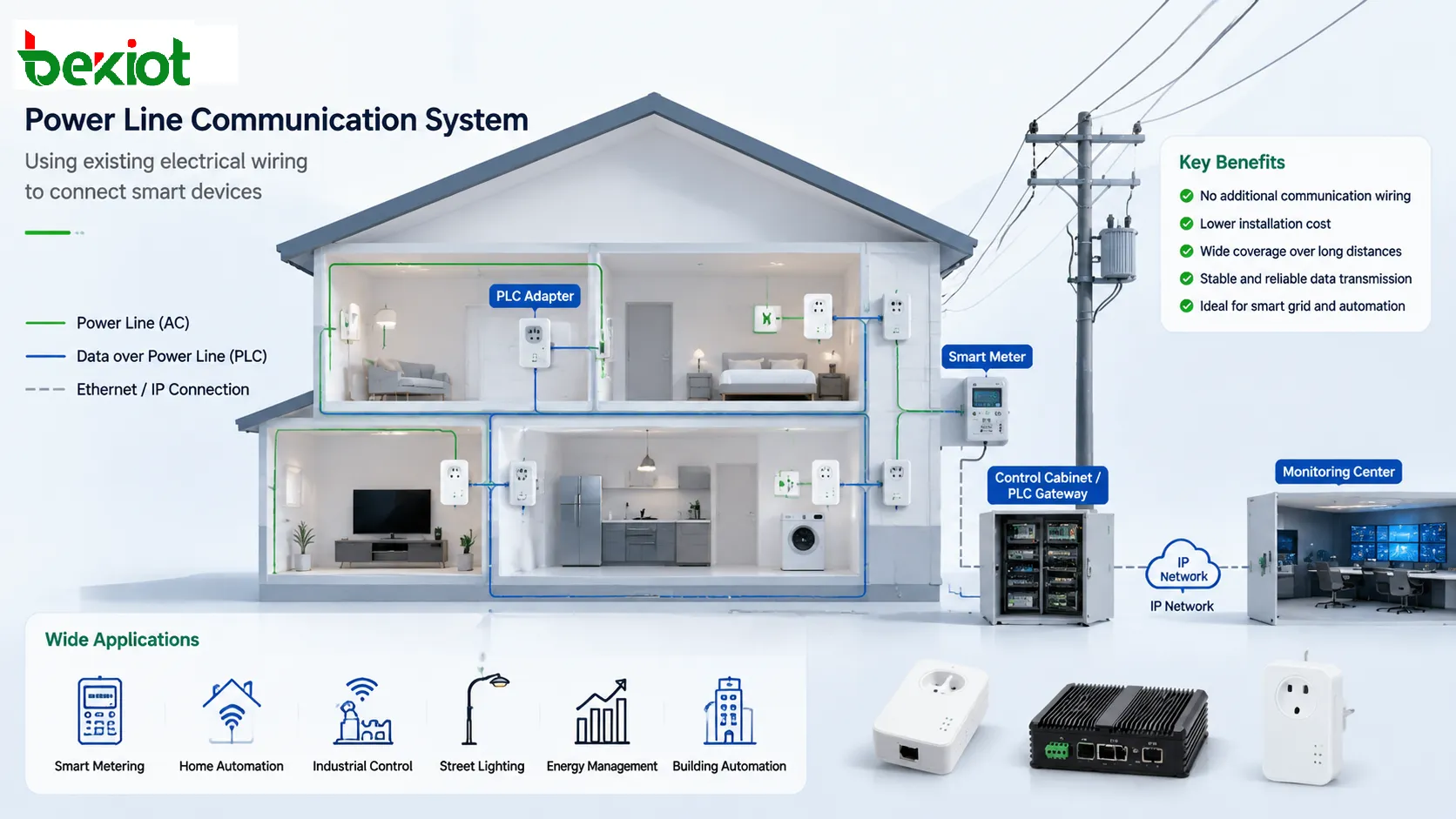
企業、クラウド、銀行、医療、IoT、ネットワークアクセスにおけるユーザー認証の用途
認証は企業アプリケーション、クラウド、金融サービス、医療ポータル、IoT機器、ネットワークアクセスで使われます。

ネットワークと VPN アクセス

VPN、Wi-Fi、管理者ログイン、リモートデスクトップ、社内資源は、パスワード、証明書、RADIUS、スマートカード、端末証明書、MFAで保護できます。

攻撃者はVPNや管理ポータルを狙うため、リモートアクセスは特に強く保護する必要があります。

API とマシンアカウント

API、サービス、スクリプト、コンテナ、機械も、APIキー、OAuthトークン、証明書、署名要求、サービスアカウントで認証されます。

機械用資格情報はローテーション、範囲制限、監視、安全な保存が必要です。コード内の固定シークレットは弱点です。

IoT と接続デバイス

接続機器は登録、ファームウェア更新、遠隔制御、テレメトリ、クラウド通信で認証を必要とします。

証明書、安全なプロビジョニング、機器ID、暗号化通信、更新検証はIoTセキュリティの基本です。

セキュリティリスクと一般的な弱点

パスワードの使い回し

パスワードの使い回しは、1つの漏えいから他サービスへの不正ログインを招きます。

MFA、漏えいパスワード検知、異常監視、利用者教育でリスクを下げられます。

フィッシング

フィッシングは偽ログイン画面や偽承認で利用者をだまします。強いパスワードでも渡してしまえば無力です。

セキュリティキーやパスキーは正規ドメインを暗号的に確認するため、フィッシングに強くなります。

弱い復旧プロセス

攻撃者は通常ログインではなく復旧手順を狙うことがあります。弱いサポートや復旧メールは抜け道になります。

重要アカウントには強い復旧管理と明確な承認手順が必要です。

セッションの盗難

セッションCookieやトークンは、マルウェア、安全でない保存、XSS、侵害端末、ネットワーク攻撃で盗まれます。

トークン期限、端末確認、ブラウザー保護、迅速な失効で被害を抑えます。

広すぎる信頼

既知ネットワークや端末だけを信頼すると、内部端末やVPNが侵害された場合に危険です。

ゼロトラストは、ネットワークだけでなくID、端末、状況、権限を継続的に確認します。

安全なログインは、最初のパスワードだけでなく、登録、確認、復旧、セッション、端末、監査を守ります。

導入のベストプラクティス

まずアカウントリスクを分類します。管理者、財務、開発、サポート、医療、リモート勤務、機械アカウントは異なる強度が必要です。

重要アクセスにはMFAを使い、高リスク役割にはSMSだけでなくセキュリティキーやパスキーを検討します。

パスワードは現代的なハッシュとソルトで保存し、平文保存を避け、リセットトークンは短寿命かつ一回限りにします。

失敗試行、不可能な移動、新端末、異常IP、MFA失敗、未知の場所からのアクセスを監視します。

復旧は安全かつ使いやすくし、通常ログインより攻撃しやすい手順にしてはいけません。

運用管理

役割変更、契約終了、端末交換、アプリ廃止に合わせて認証ポリシーを見直します。

成功ログイン、失敗、パスワードリセット、MFA変更、端末登録、セッション失効、特権アクセスを記録します。

大規模組織ではアクセスレビュー、自動無効化、ロール管理、特権アカウント管理、責任者設定が必要です。

FAQ

認証と認可は同じですか?

いいえ。認証は本人確認であり、認可は確認済みのIDが何にアクセスまたは変更できるかを決めます。

SMS 認証が他の方法より弱いとされるのはなぜですか?

SMSはSIM交換、番号移転、傍受、ソーシャルエンジニアリングの影響を受けるため、より強い方法があります。

生体認証ログインはパスワードを完全に置き換えられますか?

場合によりますが、生体認証は多くの場合ローカルの暗号資格情報を解除するだけで、安全な登録、端末信頼、復旧が必要です。

パスキーがフィッシングに強い理由は何ですか?

パスキーは正規サービスのドメインに結び付いた暗号鍵を使うため、偽サイトでは通常サインインできません。

非アクティブなアカウントはどう扱うべきですか?

非アクティブアカウントは方針に従って確認、無効化、削除するべきです。
おすすめ商品
カタログ
顧客サービス 電話
We use cookie to improve your online experience. By continuing to browse this website, you agree to our use of cookie.

Cookies

This Cookie Policy explains how we use cookies and similar technologies when you access or use our website and related services. Please read this Policy together with our Terms and Conditions and Privacy Policy so that you understand how we collect, use, and protect information.

By continuing to access or use our Services, you acknowledge that cookies and similar technologies may be used as described in this Policy, subject to applicable law and your available choices.

Updates to This Cookie Policy

We may revise this Cookie Policy from time to time to reflect changes in legal requirements, technology, or our business practices. When we make updates, the revised version will be posted on this page and will become effective from the date of publication unless otherwise required by law.

Where required, we will provide additional notice or request your consent before applying material changes that affect your rights or choices.

What Are Cookies?

Cookies are small text files placed on your device when you visit a website or interact with certain online content. They help websites recognize your browser or device, remember your preferences, support essential functionality, and improve the overall user experience.

In this Cookie Policy, the term “cookies” also includes similar technologies such as pixels, tags, web beacons, and other tracking tools that perform comparable functions.

Why We Use Cookies

We use cookies to help our website function properly, remember user preferences, enhance website performance, understand how visitors interact with our pages, and support security, analytics, and marketing activities where permitted by law.

We use cookies to keep our website functional, secure, efficient, and more relevant to your browsing experience.

Categories of Cookies We Use

Strictly Necessary Cookies

These cookies are essential for the operation of the website and cannot be disabled in our systems where they are required to provide the service you request. They are typically set in response to actions such as setting privacy preferences, signing in, or submitting forms.

Without these cookies, certain parts of the website may not function correctly.

Functional Cookies

Functional cookies enable enhanced features and personalization, such as remembering your preferences, language settings, or previously selected options. These cookies may be set by us or by third-party providers whose services are integrated into our website.

If you disable these cookies, some services or features may not work as intended.

Performance and Analytics Cookies

These cookies help us understand how visitors use our website by collecting information such as traffic sources, page visits, navigation behavior, and general interaction patterns. In many cases, this information is aggregated and does not directly identify individual users.

We use this information to improve website performance, usability, and content relevance.

Targeting and Advertising Cookies

These cookies may be placed by our advertising or marketing partners to help deliver more relevant ads and measure the effectiveness of campaigns. They may use information about your browsing activity across different websites and services to build a profile of your interests.

These cookies generally do not store directly identifying personal information, but they may identify your browser or device.

First-Party and Third-Party Cookies

Some cookies are set directly by our website and are referred to as first-party cookies. Other cookies are set by third-party services, such as analytics providers, embedded content providers, or advertising partners, and are referred to as third-party cookies.

Third-party providers may use their own cookies in accordance with their own privacy and cookie policies.

Information Collected Through Cookies

Depending on the type of cookie used, the information collected may include browser type, device type, IP address, referring website, pages viewed, time spent on pages, clickstream behavior, and general usage patterns.

This information helps us maintain the website, improve performance, enhance security, and provide a better user experience.

Your Cookie Choices

You can control or disable cookies through your browser settings and, where available, through our cookie consent or preference management tools. Depending on your location, you may also have the right to accept or reject certain categories of cookies, especially those used for analytics, personalization, or advertising purposes.

Please note that blocking or deleting certain cookies may affect the availability, functionality, or performance of some parts of the website.

Restricting cookies may limit certain features and reduce the quality of your experience on the website.

Cookies in Mobile Applications

Where our mobile applications use cookie-like technologies, they are generally limited to those required for core functionality, security, and service delivery. Disabling these essential technologies may affect the normal operation of the application.

We do not use essential mobile application cookies to store unnecessary personal information.

How to Manage Cookies

Most web browsers allow you to manage cookies through browser settings. You can usually choose to block, delete, or receive alerts before cookies are stored. Because browser controls vary, please refer to your browser provider’s support documentation for details on how to manage cookie settings.

Contact Us

If you have any questions about this Cookie Policy or our use of cookies and similar technologies, please contact us at support@becke.cc .