
百科事典
2026-07-24 15:47:28
5GコアはUEの状態・識別情報・アクセスをどのように追跡するのか
5GCのモビリティ管理を、登録状態、接続状態、UEコンテキスト、SUPI、SUCI、5G-GUTI、ページング識別子、モビリティ制限の観点から解説し、端末到達性とネットワークリソースの管理方法を示します。

ベッケテレコム

5GコアはUEの状態・識別情報・アクセスをどのように追跡するのか

5Gネットワークにおけるモビリティ管理は、端末があるセルから別のセルへ移動する際に、その位置を追跡するだけの仕組みではありません。UEが登録済みか、到達可能か、接続中か、アイドル状態か、サービスへのアクセスが許可されているか、あるいは位置情報や契約ポリシーによって制限されているかを5Gコアに伝える制御ロジックです。この層がなければ、ネットワークはユーザーコンテキストをいつ保持すべきか、シグナリングリソースをいつ解放すべきか、端末をいつページングすべきか、また登録やセキュリティ手順でどの識別情報を使用すべきかを判断できません。

5Gコアは、AMF、NASシグナリング、UEコンテキスト、一時識別子、秘匿化された加入者識別子、モビリティ制限ルールを利用して、端末の移動を管理します。UEは朝に電源が入り、ネットワークへ登録し、長時間アイドル状態にとどまり、データサービスが必要になったときに再接続し、1日の間に複数のトラッキングエリアを移動することがあります。ネットワークは、無線インターフェースリソース、N2シグナリングリソース、ユーザーのプライバシーを保護しながら、これらすべてを支える必要があります。
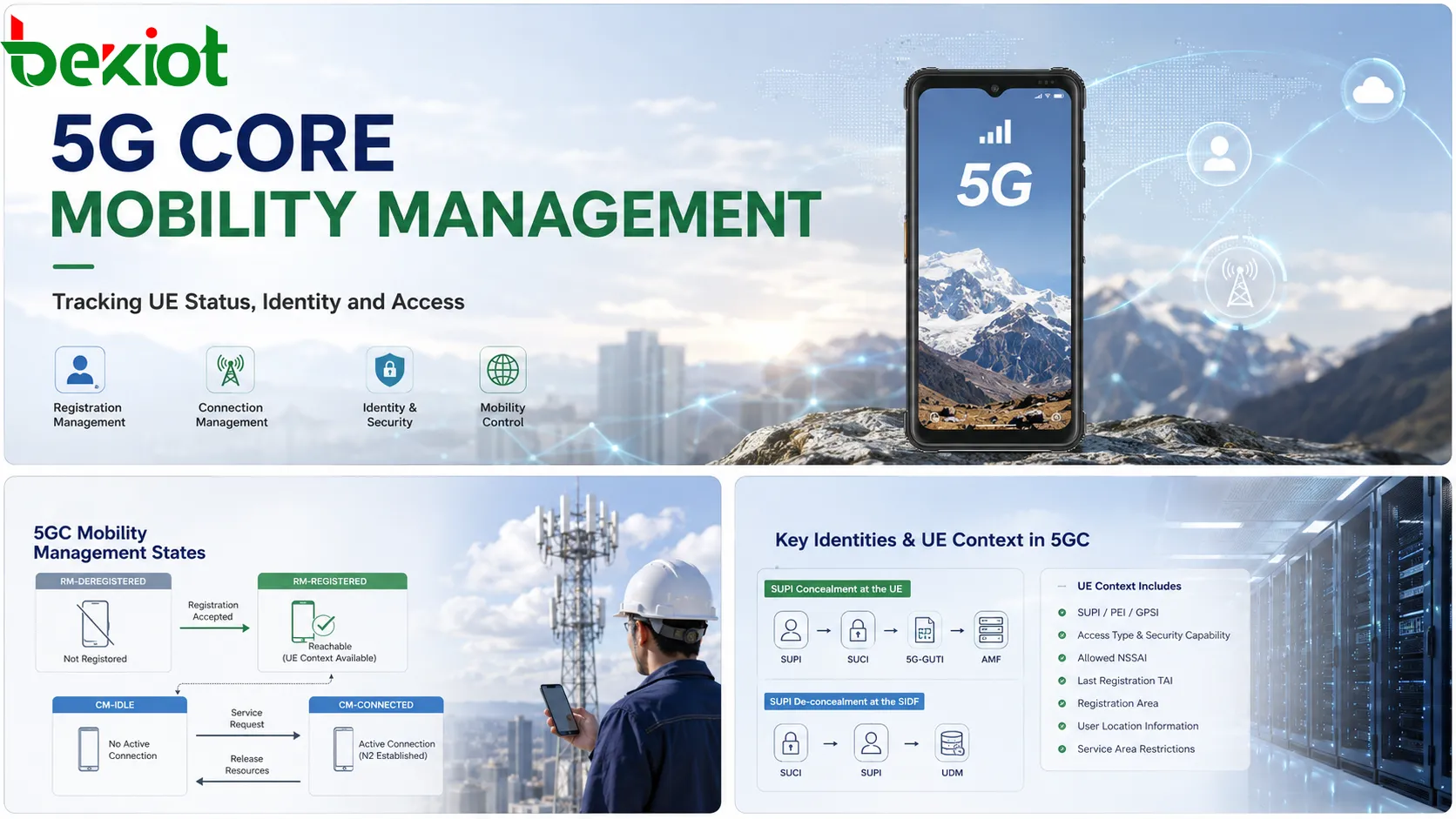
RM登録済み・未登録、CMアイドル・接続状態、およびAMFによるUEコンテキスト生成を示す5GCモビリティ管理図
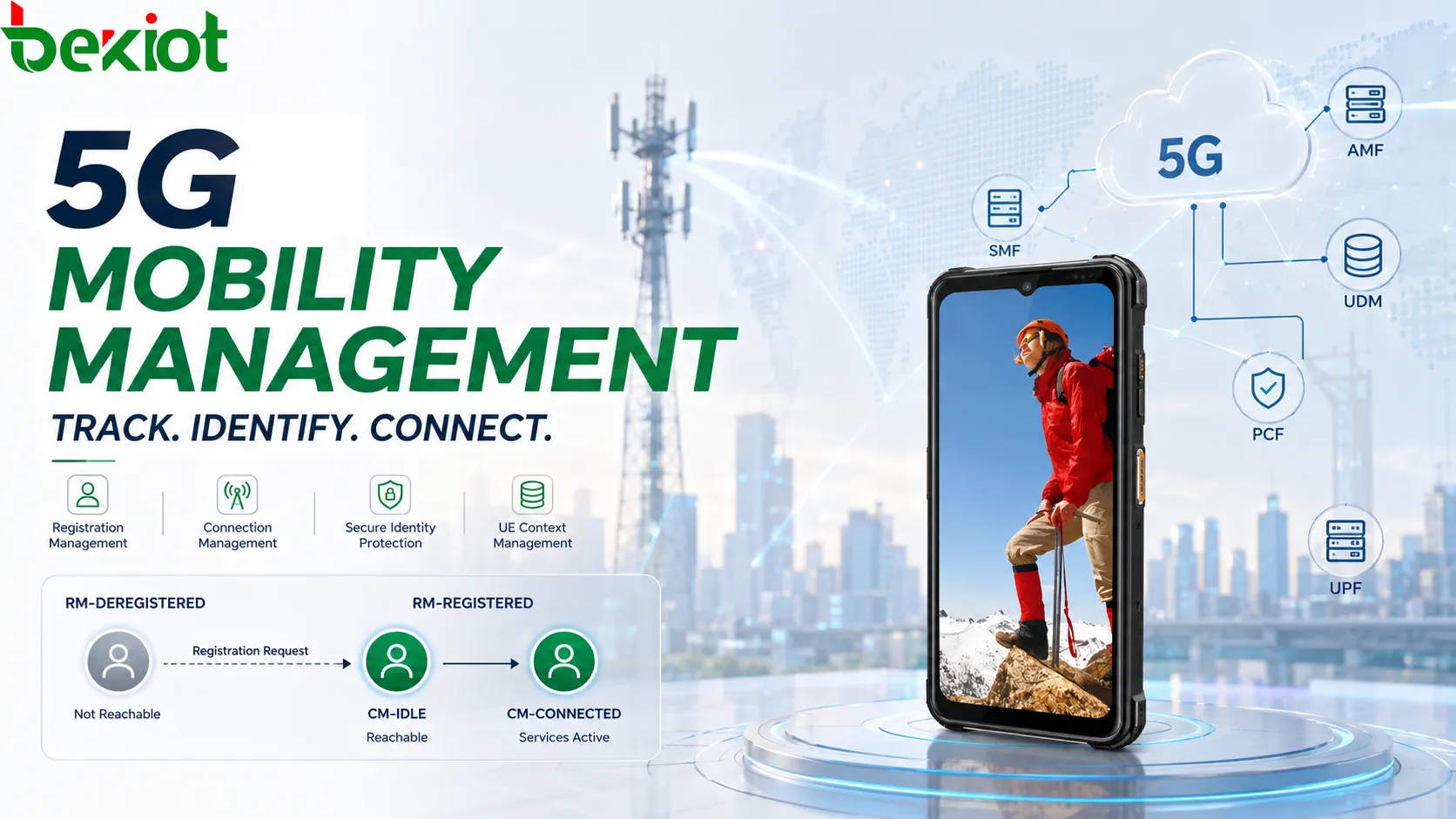
5Gのモビリティ管理は、登録状態、接続状態、UEコンテキストの処理を組み合わせ、端末が到達可能か、5Gサービスを利用できるかを判断します。

登録状態がネットワーク到達性を決める

登録管理は、UEが5Gコアに登録されているかどうかを示します。主要な2つの状態は、RM-DEREGISTEREDRM-REGISTEREDです。未登録状態では、UEはコアネットワークに登録されていません。AMFはUEの所在を把握しておらず、利用可能なUEコンテキストも保持していないため、その端末を到達可能として扱うことができません。

UEが登録手順を正常に完了すると、登録済み状態に移行します。この時点でUEは5GCサービスへアクセスでき、AMFは必要な粒度でユーザーの位置を把握し、UEコンテキストを維持するための十分な情報を持ちます。ただし、これはUEが常にユーザーデータを送信していることを意味しません。コアネットワークとの有効な関係が確立されていることを示すだけです。

状態遷移は明確です。電源を入れた直後の端末は未登録状態から開始します。登録手順が受け入れられると、UEは登録済み状態になります。登録が拒否された場合、またはネットワークが登録解除を開始した場合、UEは未登録状態のままか、その状態へ戻ります。この状態モデルは、考え方としては4GのEMMにおける登録済み/未登録のロジックに似ていますが、5Gコアアーキテクチャ内で処理されます。

接続状態によってリソースを節約する

接続管理は、UEが現在ネットワークとアクティブなシグナリング関係を持っているかどうかを示します。主な2つの状態は、CM-IDLECM-CONNECTEDです。アイドル状態では、UEはN2シグナリングを通じてアクティブに接続されておらず、AMFも接続状態で必要となるのと同じアクティブ接続リソースを保持しません。

接続状態では、AMFはUEの位置をより正確に把握し、UEは確立済みの接続を通じて5GCサービスへアクセスできます。ネットワークは、サービス処理に必要なUEコンテキストを作成または維持することもあります。UEにアクティブなサービス要求がない場合、ネットワークはN2接続リソースを解放し、UEをアイドル動作へ戻すことができます。

この設計はネットワーク効率を守ります。すべての登録済みUEが一日中完全接続のままであれば、無線リソース、N2シグナリング、ユーザープレーンの準備リソースが無駄になります。より適切なのは、UEの登録状態を維持しつつ、不要なときにはアクティブ接続リソースを解放することです。ユーザーが後でブラウジング、ストリーミング、通話、アプリ利用を始めると、UEはサービス要求または関連手順を開始し、再び接続状態へ移行できます。

分かりやすい例としてホテルのチェックインがあります。登録はホテルにチェックインして宿泊者情報を作成することに相当します。接続は照明、空調、エレベーター利用など、客室リソースを実際に使っている状態に相当します。これらを使用していなくても、宿泊者はチェックイン済みのままです。同様に、UEも登録状態を維持しながら、リソース節約のためにアクティブ接続を解放できます。

UEコンテキストが重要なデータを保持する

UEコンテキストは、UEが登録された後にAMFが保持する情報です。ネットワークがアクセス、セキュリティ、位置、契約上の制限、モビリティ動作を管理するために必要な実用データを提供します。このコンテキストは単一のフィールドではなく、識別子、能力情報、位置情報、ポリシー関連パラメータの集合です。

UEコンテキストの重要な要素には、SUPIPEIGPSI、契約済みUE-AMBR、5GMM能力、選択されたPCF情報、禁止エリアリスト、サービスエリア制限、モビリティ管理コンテキストなどがあります。MMコンテキストには、アクセス種別、NASセキュリティモード、UEのセキュリティ能力、許可されたNSSAI、最後に登録したTAI、RM状態、登録エリア、現在のユーザー位置情報が含まれる場合もあります。

これらのフィールドにより、ネットワークは複数の運用上の問いに答えられます。加入者は誰か。どの機器が使われているか。どのアクセス種別が関係しているか。どのセキュリティアルゴリズムをサポートしているか。UEはどのネットワークスライスへアクセスできるか。最後にどこで登録したか。どのエリアが許可または禁止されているか。これらの情報が、登録処理、サービスアクセス、ページング、モビリティ更新、ポリシー制御を導きます。

識別子によってユーザーのプライバシーを守る

5Gのモビリティ管理は、識別情報の設計に大きく依存します。ネットワークは加入者と機器を識別する必要がありますが、可能な限り恒久識別子を無線区間で露出させるべきではありません。そのため5Gでは、目的ごとに複数の関連識別子を使用します。

SUPIは恒久的な加入者識別子です。最も一般的な形式はIMSIで、非3GPPアクセスではNAIを用いる形式もあります。PEIは機器を識別し、通常はIMEIまたはIMEISVに関連します。GPSIは公開加入者識別子で、一般にはMSISDNで表されますが、username@realmのような外部識別子を使う形式もあります。

一時識別子は恒久情報の露出を減らします。5G-GUTIはAMFによって割り当てられるグローバルに一意な一時識別子です。AMF関連識別子であるGUAMIと5G-TMSIを組み合わせて構成されます。5G-S-TMSIは5G-GUTIの一部で、ページングに使用されます。ページングで加入者の恒久識別情報を露出させるべきではないため、この分離は重要です。

SUCIは5Gセキュリティにおいて特に重要です。これはSUPIに関連する情報を暗号化して生成する秘匿加入者識別子です。4Gでは、一部の識別手順でIMSIが取得される可能性があり、無線インターフェース上のプライバシーリスクとなっていました。5Gの登録では、利用可能であれば5G-GUTIを使用します。5G-GUTIがない場合はSUCIを使用します。平文のIMSIを登録識別子として使用すべきではありません。

SUCIは非対称暗号方式で生成されます。UEはUSIMに保存されている、または端末で利用可能な公開鍵を使い、加入者識別情報を秘匿化します。秘匿化された識別子はアクセスネットワークとコアネットワークを経由してホームネットワークへ送られ、そこで秘密鍵を使ってSUPIが復元されます。ルーティングインジケーターは、識別情報の一部が隠されていても、コアネットワークがシグナリングメッセージを正しいホームネットワーク機能へルーティングするのに役立ちます。
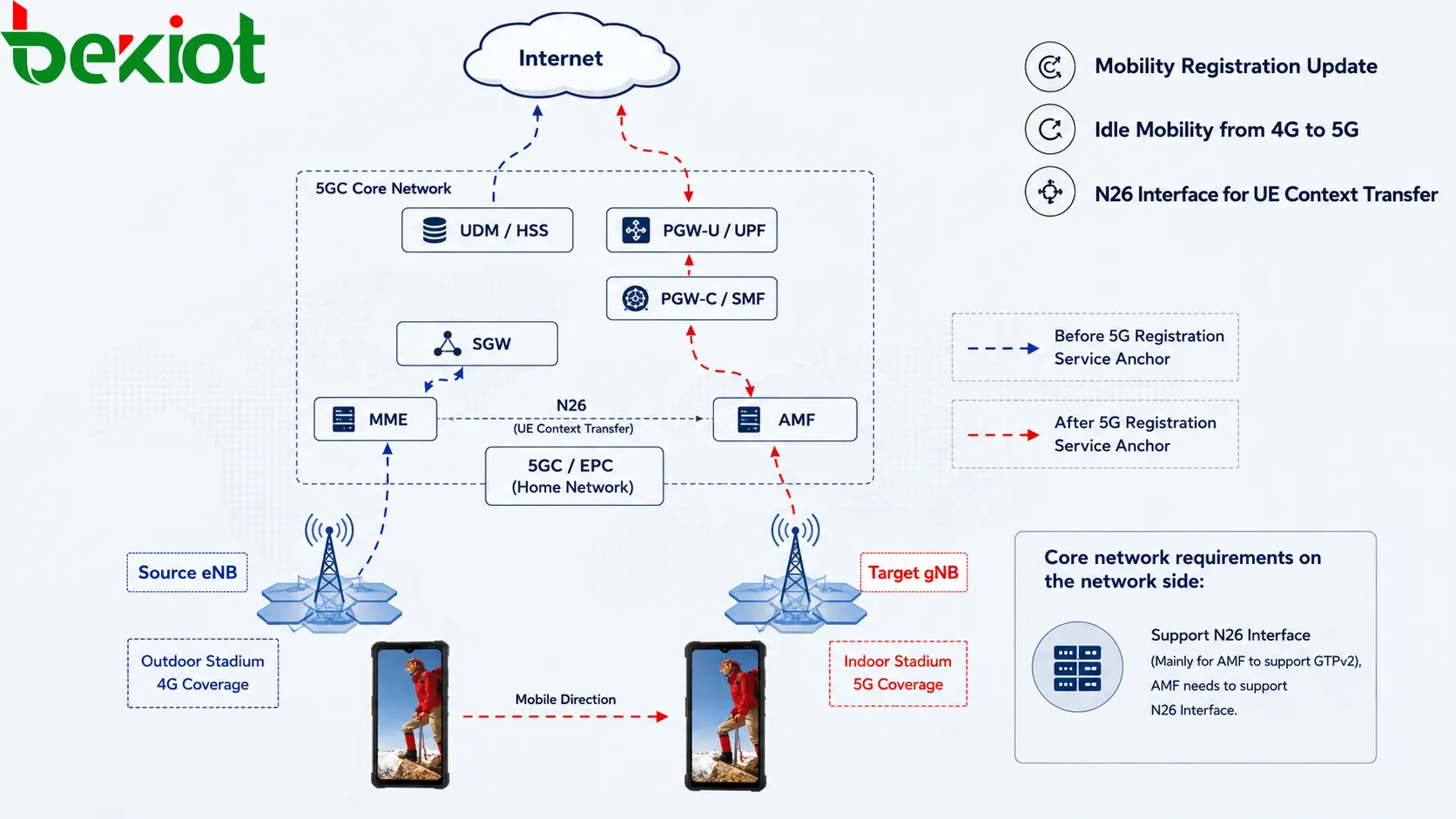
安全なモビリティ管理に用いるSUPI、SUCI、PEI、GPSI、5G-GUTI、5G-S-TMSI、ルーティングインジケーターを示す5GCユーザー識別構造
5Gでは、恒久、公開、一時、秘匿の各識別子を使い分けることで、機密性の高い識別情報の露出を抑えながら加入者を管理します。

制限ルールがサービスエリアを制御する

モビリティ管理には制限も含まれます。すべてのUEが、すべての無線技術、すべてのトラッキングエリア、すべてのサービスエリアへアクセスできるわけではありません。5Gコアはモビリティ制限ルールを利用し、UEがどこで、どのようにネットワークサービスを利用できるかを制御します。

登録エリアは、UEに割り当てられたトラッキングエリアの集合です。この範囲内ではサービスは制限されず、小さな移動のたびにUEが登録を更新する必要もありません。RAT制限は契約データに基づき、5Gなど特定の無線アクセス技術をUEが使用できないようにします。禁止エリアは、そのUEに対して5Gサービスへのアクセスが許可されないエリアの集合です。

サービスエリア制限では、許可エリアと非許可エリアを定義できます。許可エリアではUEは5Gサービスへアクセスできます。非許可エリアでは、ポリシーに従ってサービスアクセスが遮断または制限されます。これらの制限は、契約管理、ローミング制御、プライベートネットワーク設計、サービス分割、規制要件への対応に役立ちます。

登録管理、接続管理、UEコンテキスト、安全な識別子、モビリティ制限は、5Gコアのモビリティ基盤を構成します。目的は単に端末の場所を知ることではありません。必要なときに端末へ到達できる状態を保ち、アイドル時にはネットワークリソースを節約し、識別情報のプライバシーを守り、契約内容と位置に応じたアクセスルールを適用することが本来の目的です。

よくある質問

5Gではなぜ登録と接続を分けるのですか

登録と接続を分けることで、UEをコアネットワークが把握した状態に保ちながら、常時アクティブなシグナリングリソースを維持する必要がなくなります。多数の端末が登録されていても継続的にサービスを使用していない場合に、ネットワーク効率が向上します。

ページングに5G-S-TMSIを使うのはなぜですか

5G-S-TMSIは一時識別子構造から生成されるため、無線インターフェース上で恒久的な加入者情報を公開せずにページングを実行できます。

SUCIとSUPIの違いは何ですか

SUPIは恒久的な加入者識別情報で、SUCIは一時識別子を利用できない手順において、その恒久識別情報を保護するために使われる秘匿形式です。

AMFにUEコンテキストが必要なのはなぜですか

AMFは、UEのセキュリティ、アクセス種別、登録状態、位置情報、許可されたスライス、サービス制限、モビリティ関連の判断を管理するためにUEコンテキストを必要とします。

モビリティ制限はサービスアクセスにどのような影響を与えますか

モビリティ制限は、登録エリア、禁止エリア、サービスエリアポリシー、契約データに基づき、UEが特定のエリアや無線技術を利用できるかどうかを決定します。

おすすめ商品
カタログ
顧客サービス 電話
We use cookie to improve your online experience. By continuing to browse this website, you agree to our use of cookie.

Cookies

This Cookie Policy explains how we use cookies and similar technologies when you access or use our website and related services. Please read this Policy together with our Terms and Conditions and Privacy Policy so that you understand how we collect, use, and protect information.

By continuing to access or use our Services, you acknowledge that cookies and similar technologies may be used as described in this Policy, subject to applicable law and your available choices.

Updates to This Cookie Policy

We may revise this Cookie Policy from time to time to reflect changes in legal requirements, technology, or our business practices. When we make updates, the revised version will be posted on this page and will become effective from the date of publication unless otherwise required by law.

Where required, we will provide additional notice or request your consent before applying material changes that affect your rights or choices.

What Are Cookies?

Cookies are small text files placed on your device when you visit a website or interact with certain online content. They help websites recognize your browser or device, remember your preferences, support essential functionality, and improve the overall user experience.

In this Cookie Policy, the term “cookies” also includes similar technologies such as pixels, tags, web beacons, and other tracking tools that perform comparable functions.

Why We Use Cookies

We use cookies to help our website function properly, remember user preferences, enhance website performance, understand how visitors interact with our pages, and support security, analytics, and marketing activities where permitted by law.

We use cookies to keep our website functional, secure, efficient, and more relevant to your browsing experience.

Categories of Cookies We Use

Strictly Necessary Cookies

These cookies are essential for the operation of the website and cannot be disabled in our systems where they are required to provide the service you request. They are typically set in response to actions such as setting privacy preferences, signing in, or submitting forms.

Without these cookies, certain parts of the website may not function correctly.

Functional Cookies

Functional cookies enable enhanced features and personalization, such as remembering your preferences, language settings, or previously selected options. These cookies may be set by us or by third-party providers whose services are integrated into our website.

If you disable these cookies, some services or features may not work as intended.

Performance and Analytics Cookies

These cookies help us understand how visitors use our website by collecting information such as traffic sources, page visits, navigation behavior, and general interaction patterns. In many cases, this information is aggregated and does not directly identify individual users.

We use this information to improve website performance, usability, and content relevance.

Targeting and Advertising Cookies

These cookies may be placed by our advertising or marketing partners to help deliver more relevant ads and measure the effectiveness of campaigns. They may use information about your browsing activity across different websites and services to build a profile of your interests.

These cookies generally do not store directly identifying personal information, but they may identify your browser or device.

First-Party and Third-Party Cookies

Some cookies are set directly by our website and are referred to as first-party cookies. Other cookies are set by third-party services, such as analytics providers, embedded content providers, or advertising partners, and are referred to as third-party cookies.

Third-party providers may use their own cookies in accordance with their own privacy and cookie policies.

Information Collected Through Cookies

Depending on the type of cookie used, the information collected may include browser type, device type, IP address, referring website, pages viewed, time spent on pages, clickstream behavior, and general usage patterns.

This information helps us maintain the website, improve performance, enhance security, and provide a better user experience.

Your Cookie Choices

You can control or disable cookies through your browser settings and, where available, through our cookie consent or preference management tools. Depending on your location, you may also have the right to accept or reject certain categories of cookies, especially those used for analytics, personalization, or advertising purposes.

Please note that blocking or deleting certain cookies may affect the availability, functionality, or performance of some parts of the website.

Restricting cookies may limit certain features and reduce the quality of your experience on the website.

Cookies in Mobile Applications

Where our mobile applications use cookie-like technologies, they are generally limited to those required for core functionality, security, and service delivery. Disabling these essential technologies may affect the normal operation of the application.

We do not use essential mobile application cookies to store unnecessary personal information.

How to Manage Cookies

Most web browsers allow you to manage cookies through browser settings. You can usually choose to block, delete, or receive alerts before cookies are stored. Because browser controls vary, please refer to your browser provider’s support documentation for details on how to manage cookie settings.

Contact Us

If you have any questions about this Cookie Policy or our use of cookies and similar technologies, please contact us at support@becke.cc .