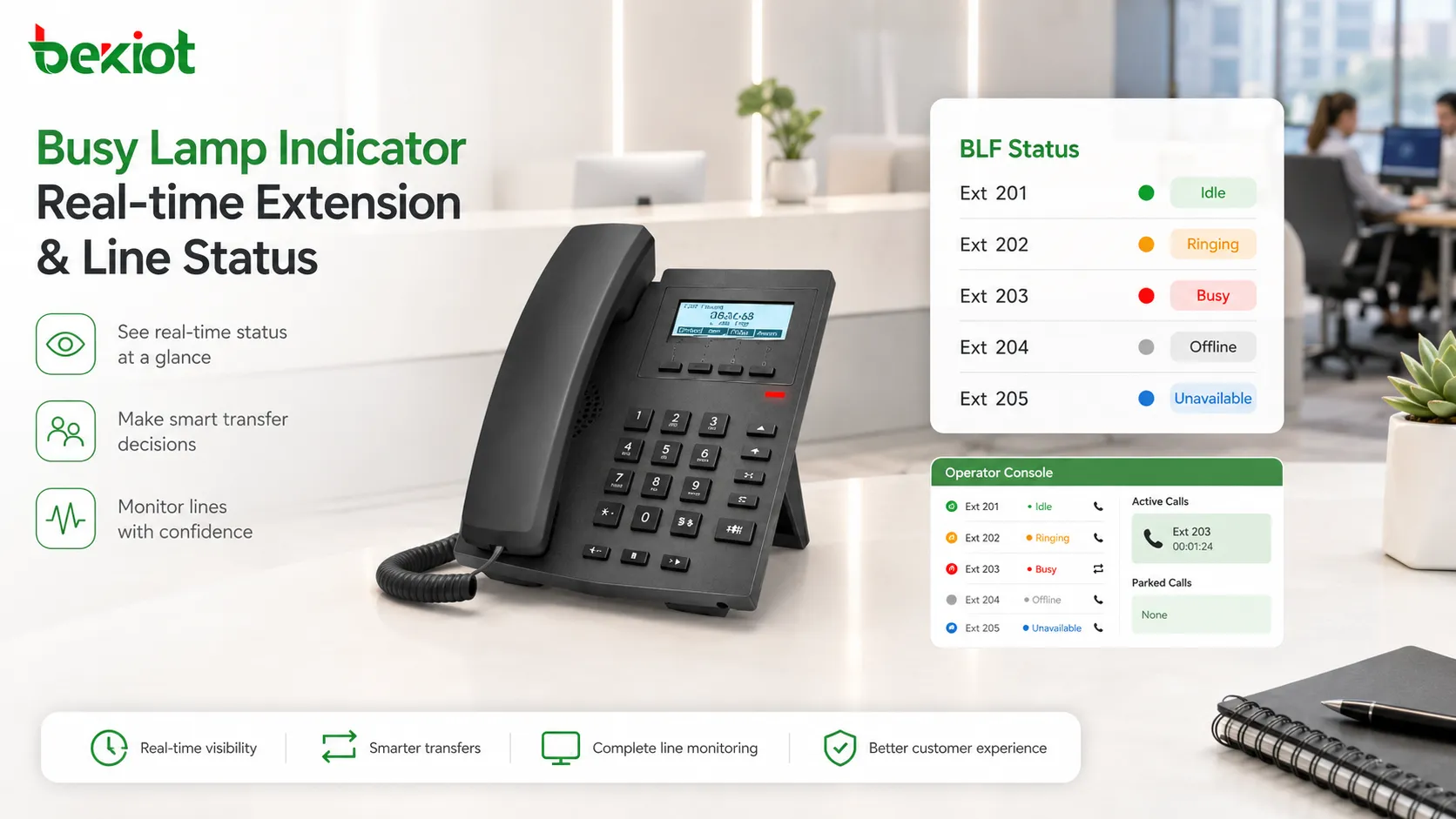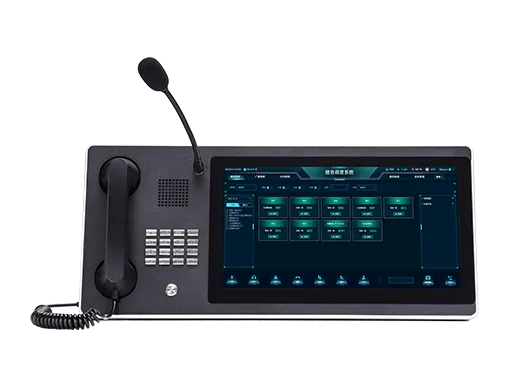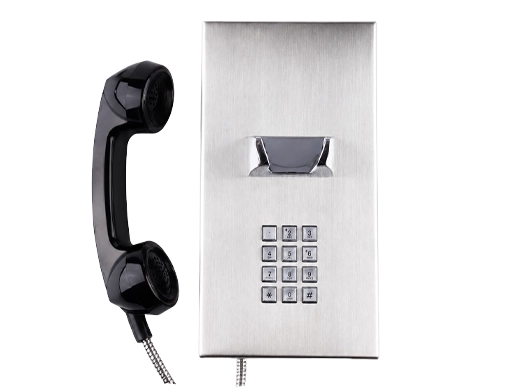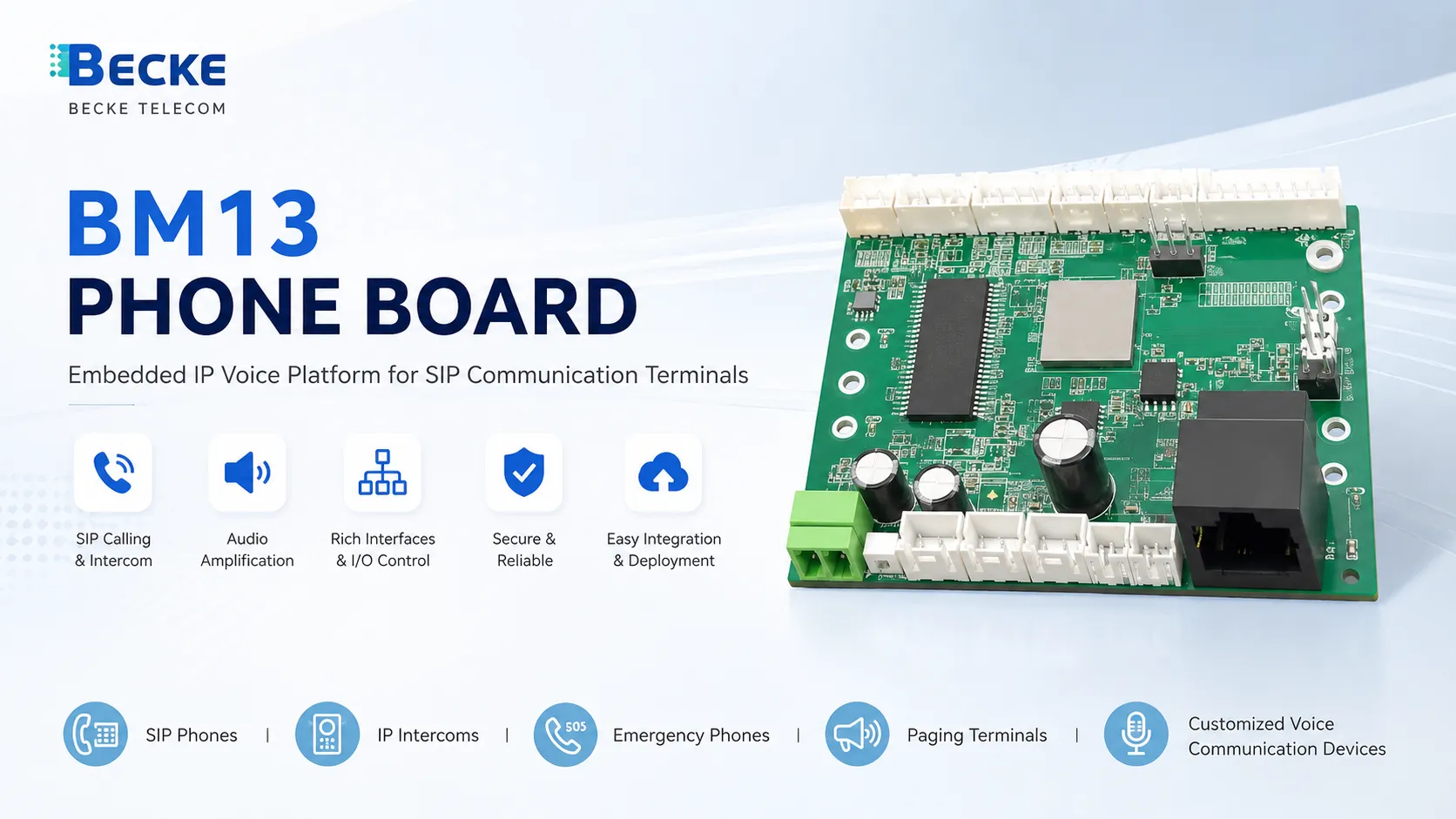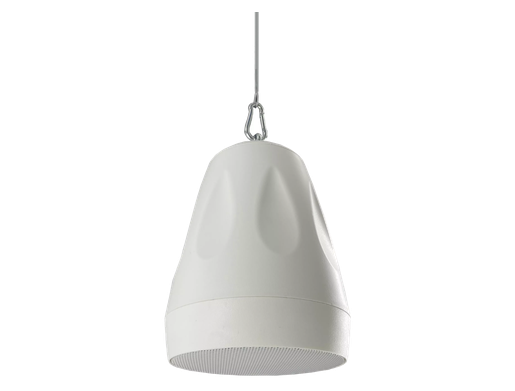


ページングシステムは、建物、キャンパス、工場、トンネル、交通施設、公共エリアでアナウンス、警報、指示、緊急メッセージを届ける音声通信レイヤーです。購入時はスピーカーを選ぶだけでなく、現場環境、ゾーン、緊急運用、連携要件、将来拡張に合う仕組みを選ぶ必要があります。
本ガイドでは、実際のプロジェクト要件から、構成、機器、ネットワーク、緊急対応、システム連携、総コストまでを評価する方法を整理します。
ページングシステムとは
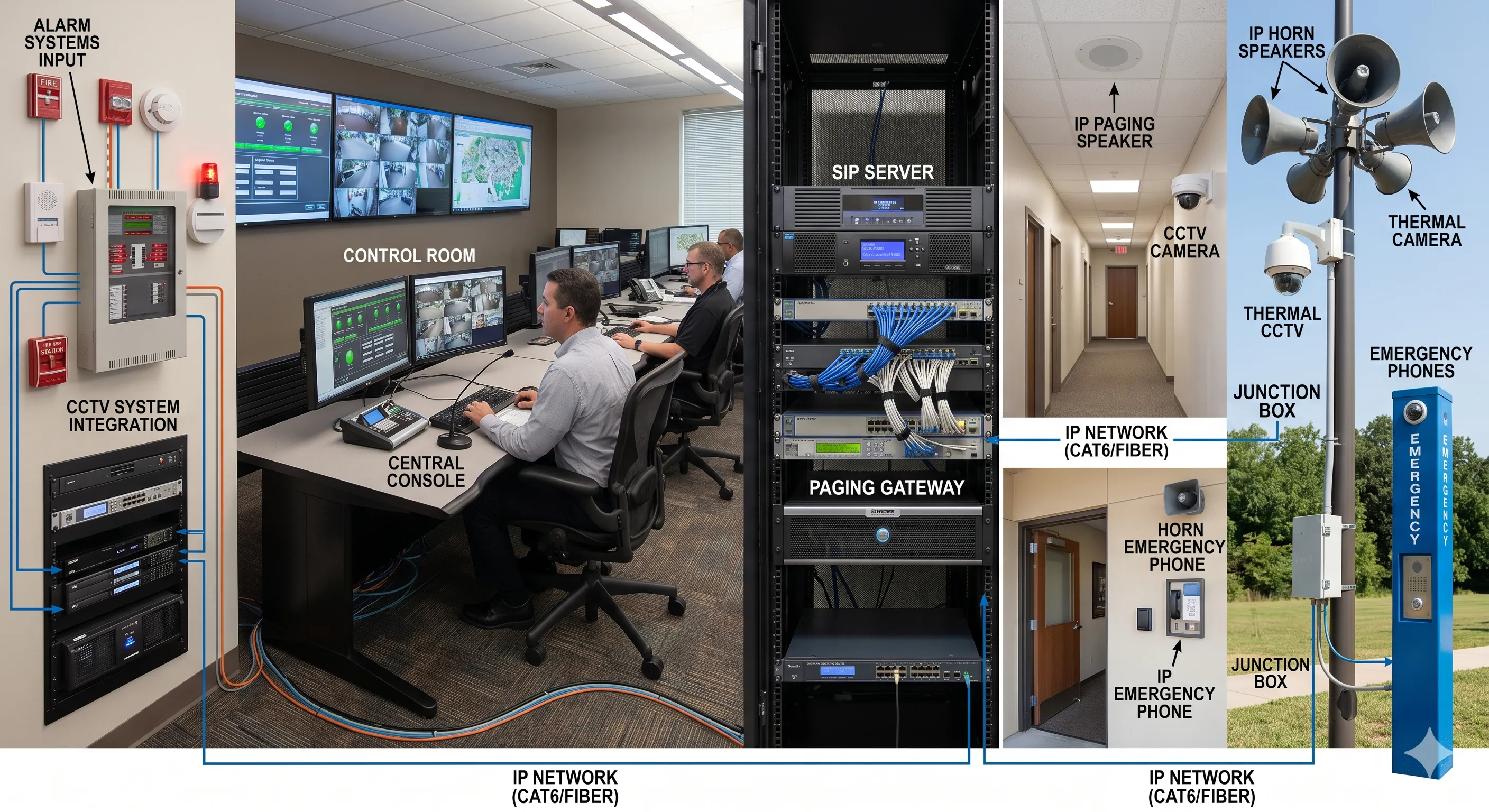
ページングシステムは、スピーカー、アンプ、IP端末、ページングゲートウェイ、統合プラットフォームを通じて、音声案内、トーン、定時メッセージ、緊急警報、運用指示を放送する通信システムです。
簡易システムは天井スピーカーでの基本放送に限られます。高度なIPまたはSIPシステムでは、ゾーン放送、マルチキャスト音声、SIP通話、事前録音メッセージ、警報連動放送、視覚警報、双方向インターホン、指令センター連携を利用できます。
選定前に評価すべきポイント
選定は明確な評価プロセスに沿って行います。機種や価格を比較する前に、現場環境、通信目的、緊急要件、利用者、連携、将来拡張を確認します。
次の7ステップは、要件、音響、構成、機器、ネットワーク、緊急運用、長期価値を含む実践的な選定フレームワークです。
ステップ1:用途と現場要件を明確にする
最初のステップは、システムの使い方を明確にすることです。学校、病院、オフィス、工場、トンネル、駅、屋外産業施設では優先事項が異なります。
主な用途が日常放送、緊急通知、生産連絡、旅客案内、警備対応、多目的通信のどれかを確認します。
日常放送の要件
オフィス、学校、ホテル、病院、店舗、公共施設では、定例案内、サービス通知、来訪者誘導、一般情報放送に利用されます。ここでは過大な出力より、明瞭度、ゾーン制御、簡単な操作、きれいな施工が重要です。
緊急通知の要件
安全性が重要な現場では、優先制御、確実な配信、警報連動、事前録音、ライブ放送、危機時の明確な指示が必要です。システムは緊急通信フローの一部であるべきです。
産業・過酷環境の要件
工場、トンネル、鉱山、変電所、港湾、石化施設、屋外インフラでは、堅牢なホーン、視覚警報、産業電話、非常電話、防食、防水、騒音・粉塵・湿度・振動・温度への耐性が求められます。
ステップ2:カバー範囲、ゾーン、音響性能を計画する
最初のステップは、システムの使い方を明確にすることです。学校、病院、オフィス、工場、トンネル、駅、屋外産業施設では優先事項が異なります。
A good paging system should not simply be loud; it must deliver clear and understandable voice to the correct area.
ゾーンページング
Zone paging sends announcements to selected areas rather than the entire facility, such as buildings, workshops, warehouses, docks, control rooms, hazardous areas and yards.
Good zone design reduces noise pollution and message fatigue while still allowing emergency override for full-site notification.
音声明瞭度とSTIPA測定
Speech intelligibility is more important than loudness. Reverberation, noise or poor speaker placement can make messages unclear even when sound pressure is high.
STIPA, standardized in IEC 60268-16, objectively measures intelligibility from 0 to 1. For emergency systems, international standards and GB/T 50526-2021 often require at least 0.5 in critical zones, so verification reports or post-installation measurement should be planned.
屋内外のカバー
Indoor areas need balanced coverage and clean installation; outdoor areas may require longer throw, higher SPL, waterproofing, anti-corrosion, surge protection and careful mounting.
ステップ3:適切なシステム構成を選ぶ
Once requirements and zones are clear, buyers can choose analog, IP, SIP-based or hybrid paging architecture.
アナログページングシステム
Analog systems use amplifiers, audio cables, microphones and speakers. They remain practical for small sites with basic announcements.
Their limitation is flexibility: more cabling, hardware zoning, manual maintenance and limited integration.
IPページングシステム
IP systems use the data network to send audio to IP speakers, SIP speakers, gateways, amplifiers and platforms, supporting Ethernet, PoE, network configuration, central management and software zones.
IP paging suits campuses, hospitals, industrial parks, transport sites, logistics centers and multi-building projects.
SIPベースのページングシステム
SIP-based systems use the same protocol as IP phones, SIP intercoms, IP PBX and VoIP platforms; staff can dial a paging extension from phones, consoles or emergency stations.
Where SIP phones, IP PBX, dispatch systems or industrial telephones already exist, SIP paging reduces silos and unifies voice and PA.
ハイブリッドページングシステム
Hybrid systems combine existing analog infrastructure with IP or SIP components, useful when amplifiers, speaker lines or ceiling speakers can still be reused.
With adapters, SIP gateways or network audio interfaces, buyers can modernize control, add SIP access, improve zones and integrate emergencies without replacing every speaker.
緊急ページングの国際規格と準拠
When a paging system is intended for emergency notification or life safety, it must comply with international and local standards that define performance, certification, installation and testing beyond ordinary commercial audio.
Buyers should confirm applicable standards before specifications are finalized.
IEC 60849 / EN 50849 — 緊急用音響システム
This standard should be considered during design, equipment selection, commissioning and acceptance for emergency paging projects.
EN 54-16 / ISO 7240-16 — 音声警報制御表示装置
This standard should be considered during design, equipment selection, commissioning and acceptance for emergency paging projects.
EN 54-24 / ISO 7240-24 — 音声警報用スピーカー
This standard should be considered during design, equipment selection, commissioning and acceptance for emergency paging projects.
GB 16851および関連国家規格
This standard should be considered during design, equipment selection, commissioning and acceptance for emergency paging projects.
Referencing applicable standards at the design stage helps ensure the system can be certified, accepted by authorities and relied upon during critical events.
ステップ4:適切な機器を選定する
Device selection should be based on acoustic conditions, mounting location, coverage distance, environmental protection, protocol, installation method, maintenance access and message type.
Different spaces need different endpoints; a quiet office, hospital corridor, high warehouse, noisy workshop, outdoor parking area and tunnel should not share one speaker layout.
天井スピーカー
Select this device type when its mounting style, coverage distance and environmental rating match the site requirement.
壁掛けスピーカー
Select this device type when its mounting style, coverage distance and environmental rating match the site requirement.
ホーンスピーカー
Select this device type when its mounting style, coverage distance and environmental rating match the site requirement.
トークバック・インターコムポイント
Select this device type when its mounting style, coverage distance and environmental rating match the site requirement.
ストロボと視覚警報
Select this device type when its mounting style, coverage distance and environmental rating match the site requirement.
IPページングアダプターとゲートウェイ
Select this device type when its mounting style, coverage distance and environmental rating match the site requirement.
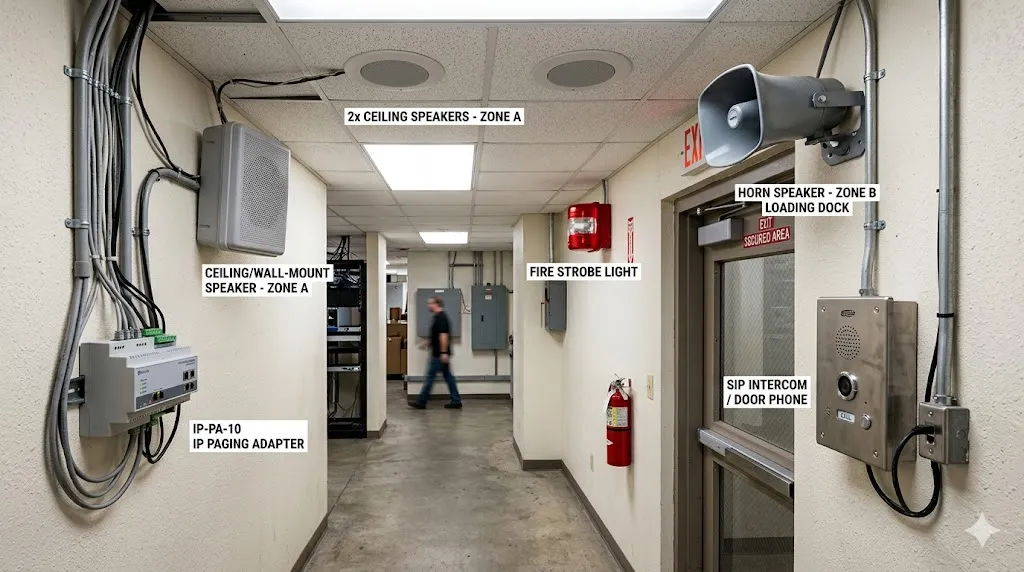
ステップ5:ネットワーク、電源、信頼性を設計する
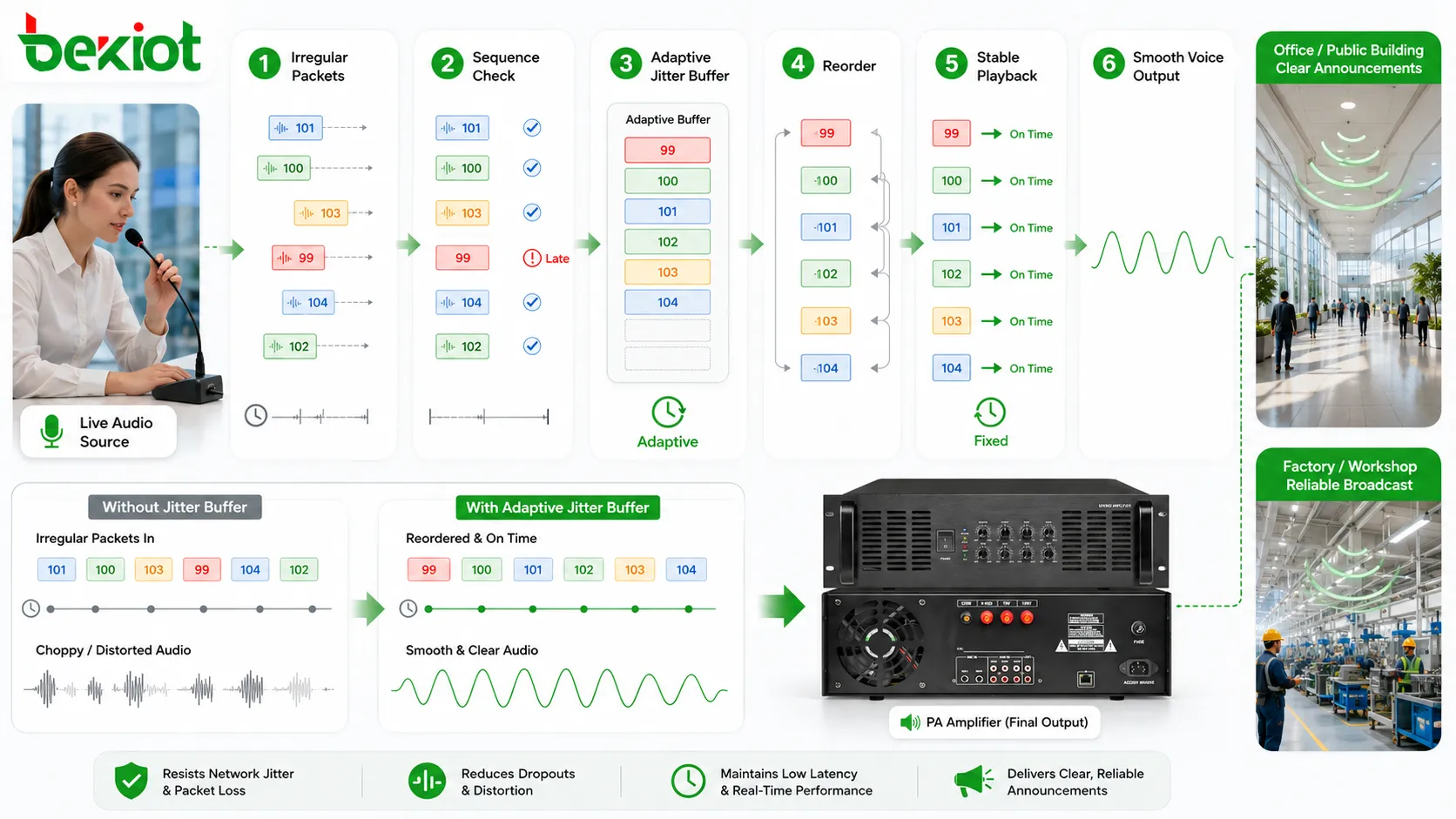
For IP and SIP paging, network and power design directly affect reliability. Check PoE capacity, switches, VLANs, QoS, multicast, cable distance, surge protection, outdoor protection, UPS and redundancy.
For emergency projects, backup power and network resilience must be planned early so the system does not fail because one switch, cable route or power source was ignored.
マルチキャストページング
Confirm this design item before deployment, because it affects audio delivery, scalability and emergency reliability.
ユニキャストページング
Confirm this design item before deployment, because it affects audio delivery, scalability and emergency reliability.
PoEとバックアップ電源
Confirm this design item before deployment, because it affects audio delivery, scalability and emergency reliability.
ステップ6:連携と緊急ワークフローを計画する
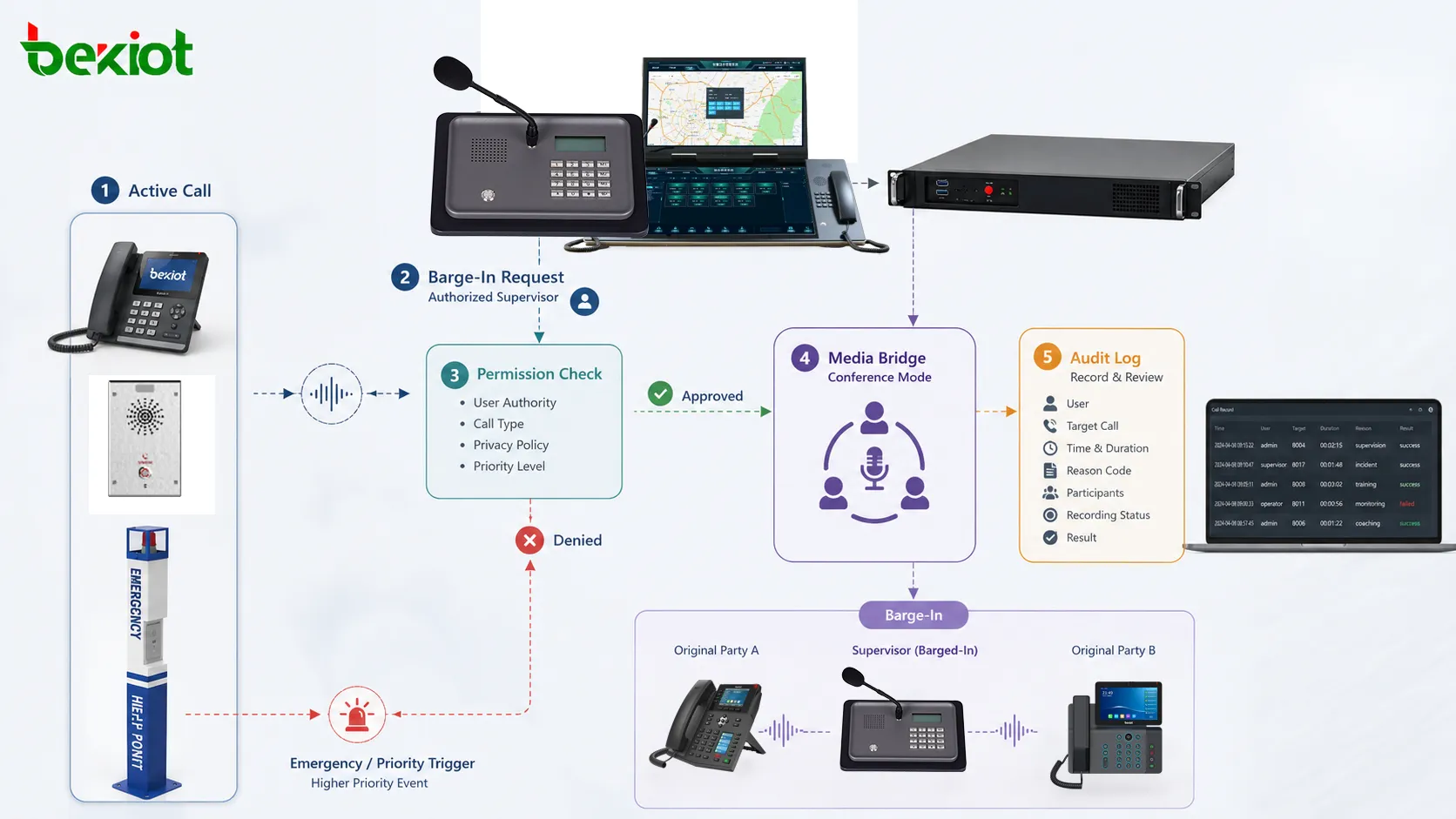
A paging system gains value when connected with IP PBX, SIP servers, emergency phones, industrial telephones, dispatch platforms, CCTV, fire alarms, access control, sensors, SCADA and building management systems.
緊急優先制御
This function helps operators deliver the right instruction, verify the situation and coordinate the next action during normal operation or emergencies.
事前録音緊急メッセージ
This function helps operators deliver the right instruction, verify the situation and coordinate the next action during normal operation or emergencies.
警報連動放送
This function helps operators deliver the right instruction, verify the situation and coordinate the next action during normal operation or emergencies.
CCTVと指令連携
This function helps operators deliver the right instruction, verify the situation and coordinate the next action during normal operation or emergencies.
SIPと通信プラットフォーム連携
This function helps operators deliver the right instruction, verify the situation and coordinate the next action during normal operation or emergencies.
For emergency use, the best paging system is not the loudest one. It delivers the right instruction to the right zone with the right priority and helps operators coordinate the next action.
ステップ7:保守、拡張、総コストを評価する
The final step is comparing long-term value, including equipment, cabling, installation, configuration, software, commissioning, training, maintenance, spare parts, expansion and upgrades.
Analog systems may look cheaper, IP systems may reduce future expansion cost, and hybrid systems can protect existing investment if carefully designed.
保守と機器管理
Evaluate this item over five to ten years rather than only by initial quotation.
拡張計画
Evaluate this item over five to ten years rather than only by initial quotation.
総所有コスト
Evaluate this item over five to ten years rather than only by initial quotation.
購入前チェックリスト
Before approving a proposal, check whether the solution matches real site conditions instead of only comparing product names and prices.
カバー範囲と音響
Confirm the requirement, responsible users, verification method and future change possibility before purchase.
ゾーンと権限
Confirm the requirement, responsible users, verification method and future change possibility before purchase.
緊急ワークフローと規格準拠
Confirm the requirement, responsible users, verification method and future change possibility before purchase.
SIPと平台互換性
Confirm the requirement, responsible users, verification method and future change possibility before purchase.
電源とネットワーク耐障害性
Confirm the requirement, responsible users, verification method and future change possibility before purchase.
購入時によくある失敗
Many problems are created before installation when hardware price is prioritized over system design.
Using the same speaker everywhere is a common mistake; each environment needs a suitable device.
Ignoring emergency priority can make a daily announcement system fail during critical events.
Treating paging as isolated prevents integration with SIP phones, emergency phones, CCTV, alarms, dispatch and control room workflows.
Do not underestimate network and power design because switches, PoE, VLANs, multicast and backup power affect performance.
Overlooking certification and testing can cause regulatory rejection or unreliable emergency performance.
主な利用場所
Paging systems are used across many industries, but design priorities change by environment.
産業施設
Typical needs include routine communication, coordination, public information, safety reminders, emergency evacuation and alarm notification.
学校とキャンパス
Typical needs include routine communication, coordination, public information, safety reminders, emergency evacuation and alarm notification.
病院と医療施設
Typical needs include routine communication, coordination, public information, safety reminders, emergency evacuation and alarm notification.
交通・公共エリア
Typical needs include routine communication, coordination, public information, safety reminders, emergency evacuation and alarm notification.
トンネルとインフラ施設
Typical needs include routine communication, coordination, public information, safety reminders, emergency evacuation and alarm notification.
ソリューション提案
For projects that need SIP paging, IP speakers, emergency phones, paging gateways or industrial communication endpoints, Becke Telcom can provide suitable device options for commercial, industrial, transportation, campus and public safety environments.
Related Solution: Paging and Intercom Broadcasting System
最終購入アドバイス
Choosing the right paging system is not only buying speakers, amplifiers or endpoints; it is designing a communication path for clear messages during daily operations and critical events.
For simple buildings, analog or small IP systems may be enough. For larger, multi-zone, safety-sensitive or growing projects, IP or SIP usually gives better flexibility, integration and long-term value. Hybrid systems can modernize upgrades while protecting existing speakers.
The best result comes from matching technology to coverage, acoustics, zones, emergency priorities, integrations, maintenance capability and future expansion.
FAQ
Can existing analog speakers be reused?
In many upgrade projects, existing speakers or amplifier lines can be reused through IP adapters, SIP gateways or network audio interfaces, depending on condition, cabling, zones and required control.
When choose SIP paging instead of basic PA?
SIP paging is suitable when IP PBX integration, dialable extensions, emergency phone linkage, dispatch operation, multi-site management or unified communication is needed.
What should be tested before handover?
Test zone paging, full-site paging, priority override, alarm messages, microphone paging, recordings, audibility, visual alerts, network stability, backup power and permissions. Emergency systems should include STIPA and standards verification.
How avoid unnecessary announcements?
Good zone planning, permissions, schedules, volume control and emergency priorities reduce noise while ensuring important messages reach the right area.