産業用電話機のSIP Server主系・予備系機能と設定紹介

紹介

SIP Server主系・予備系

SIPサーバーの冗長化メカニズムは、SIPサービスの信頼性と継続性を確保します。サーバーの主系・予備系構成は、その代表的な冗長化方式の一つです。主系サーバーと予備系サーバーは、ユーザーアカウント、サーバー冗長化方式の実装に依存するDialog情報、Registration情報などを共有します。通常状態では、すべてのSIPリクエストとレスポンスは主系サーバーが処理します。主系サーバーに障害、メンテナンス、または到達不能が発生した場合、SIP端末は自動的に予備系サーバーへ切り替えてサービスを要求し、ユーザー利用の継続性を確保します。主系サーバーが復旧すると、SIP端末は自動的に主系サーバーへ戻ってサービスを要求できます。
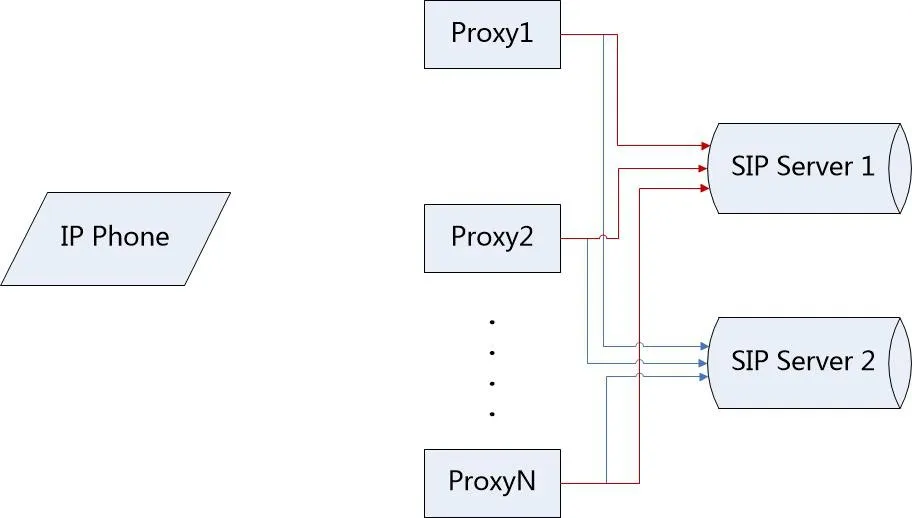
SIP Server主系・予備系
図1 SIP Server主系・予備系

用語説明

Failover: 主系サーバーが利用できない場合、予備系サーバーが主系サーバーに代わってすべての業務を引き継ぎ、顧客の使用に影響を与えない仕組みです。
Failback: 予備系サーバーが動作している状態で、主系サーバーが復旧したかどうかを装置が検出し、迅速に主系サーバーへ戻る仕組みです。
Server Unavailable: クライアントが登録を要求し、Serverが500/503を返す場合、またはUDPで宛先到達不能のICMPを受信する場合、またはTCP接続がタイムアウトする場合を指します。
Register Failback: 主系サーバーが利用できず、電話機が予備系サーバーに登録されている場合、電話機が新しいRegister Dialogを作成し、主系サーバーが復旧したかを検出する仕組みです。この機能には独立した設定可能な検出周期があります。

対象読者

本書は、Dial plan機能がどのように改善されるかを理解したい社内の研究開発またはテスト担当者を対象としています。

SIP Server主系・予備系機能

機能設定

電話機のSIP回線に2つのServer情報を設定します。SIP Server1は主系サーバー、SIP Server2は予備系サーバーです。

Failover

電話機がFailoverをサポートするシグナリングはRegister、Invite、Byeです。その他は現在未対応です。
2.2.1 Register Failover
トリガー条件:手動登録 / 登録タイムアウト / OptionまたはCancelリクエストのタイムアウト
1) 電話機はRegisterシグナリングを主系サーバーへ送信します。
2) 電話機はV3製品では指定回数、V2製品では指定時間、主系サーバーへRegister送信を試行します。
3) 主系サーバーがUnavailableの場合、電話機はRegisterシグナリングを予備系サーバーへ送信します。
4) 予備系サーバーが200 OKを応答し、電話機の登録が成功します。
2.2.2 Invite Failover
トリガー条件:ユーザーが発信する場合
1) 電話機Aが電話機Bを呼び出します。
2) 電話機AはInviteリクエストを主系サーバーへ送信します。
3) 電話機AはV3製品では指定回数、V2製品では指定時間、主系サーバーへInvite送信を試行します。
4) 主系サーバーがUnavailableの場合、電話機はRegisterを予備系サーバーへ送信します。
5) 予備系サーバーは電話機へ200 OKを応答し、電話機は予備系サーバーへの登録に成功します。
6) 電話機はInviteリクエストを予備系サーバーへ送信します。
7) 予備系サーバーが200 OKを応答し、電話機AとBの通話が確立します。
2.2.3 Bye Failover
トリガー条件:電話機が主系サーバー経由で通話を確立した後、電話機が通話を終了する場合
1) 電話機Aは主系サーバー経由で電話機Bと通話を確立します。
2) 電話機Aが通話を終了します。
3) 電話機AはByeリクエストを主系サーバーへ送信します。
4) 電話機AはV3製品では指定回数、V2製品では指定時間、主系サーバーへBye送信を試行します。
5) 主系サーバーがUnavailableの場合、電話機はRegisterを予備系サーバーへ送信します。
6) 予備系サーバーは電話機へ200 OKを応答し、電話機は予備系サーバーへの登録に成功します。
7) 電話機はByeメッセージを予備系サーバーへ送信します。
8) 予備系サーバーが200 OKを応答し、電話機Bの通話が終了します。
2.2.4 Failover失敗
すべてのサーバーが利用できない場合、電話機は主系・予備系サーバーの優先順位に従って各サーバーを順番に試行します。V3製品では指定回数、V2製品では指定時間試行します。最後のサーバーは例外で、RFC3261に基づきSIPは64*T1、つまり32秒間試行します。その後、現在のSIPシグナリングリクエストは失敗し、結果がユーザーへ通知されます。

Failback

電話機は独立したRegister Failbackをサポートします。電話機が予備系サーバーへの登録に成功した後、定期的に独立Registerを主系サーバーへ送信し、主系サーバーが復旧したかを検出します。
トリガー条件:Register Failbackタイマーのタイムアウト。
1) 電話機が予備系サーバーへの登録に成功します。
2) Register Failbackがタイムアウトすると、電話機は独立Registerを主系サーバーへ送信します。
3) 主系サーバーが200 OKを応答し、電話機は主系サーバーへ切り替わります。
主系サーバーがまだ利用できない場合、電話機が送信したRegisterはRFC3261に基づいて再送され、64*T1、つまり32秒でタイムアウトします。タイムアウト後、タイマーが再起動し、主系サーバーを周期的に検出します。

SIP Server主系・予備系設定

設定項目の説明

設定項目名説明
SIPNRegister Addr:主系サーバーアドレス。IP/ドメイン名
デフォルト値:空
SIPNRegister Port:主系サーバーのサービスポート。数値型
デフォルト値:5060
SIPNRegister TTL:主系サーバーの登録周期。数値型
デフォルト値:3600 単位:秒
SIPNTransport:主系サーバーの伝送プロトコル、UDP、TCP、TLS。0:UDP
1:TCP
3:TLS
デフォルト値:0
SIPNBackup Addr:予備系サーバーアドレス。IP/ドメイン名
デフォルト値:空
SIPNBackup Port:予備系サーバーのサービスポート。数値型
デフォルト値:5060
SIPNBackup TTL:予備系サーバーの登録周期。数値型
デフォルト値:3600 単位:秒
SIPNBackup Transport:予備系サーバーの伝送プロトコル、UDP、TCP、TLS。0:UDP
1:TCP
3:TLS
デフォルト値:0
SIPNEnable Failback:回線でRegister Failback機能を有効にするかを制御します。0/1
デフォルト値:1
SIPN Failback Interval:予備系サーバー/Proxyに登録した後、主系サーバー/Proxyが復旧したかを検出する時間間隔。数値型
デフォルト値:1800 単位:秒
SIPN Signal Retry Counts:サーバー/Proxyが利用できない場合のSIP Request再送回数。最後のサーバー/Proxyを除きます。最後は32秒タイムアウトです。数値型
デフォルト値:3

ユーザー設定インターフェース

ユーザーは電話機のWebサーバーにログインし、主系・予備系サーバーを設定できます。
1) 「ライン」タブをクリックし、SIPサブタブを選択します。デフォルトではこのページです。
2) ページ内の「ライン」ドロップダウンリストから設定する回線を選択します。
3) 回線登録情報を設定します。
4) SIP Server1(主系サーバー)とSIP Server2(予備系サーバー)のサーバー情報を設定します。図2を参照してください。
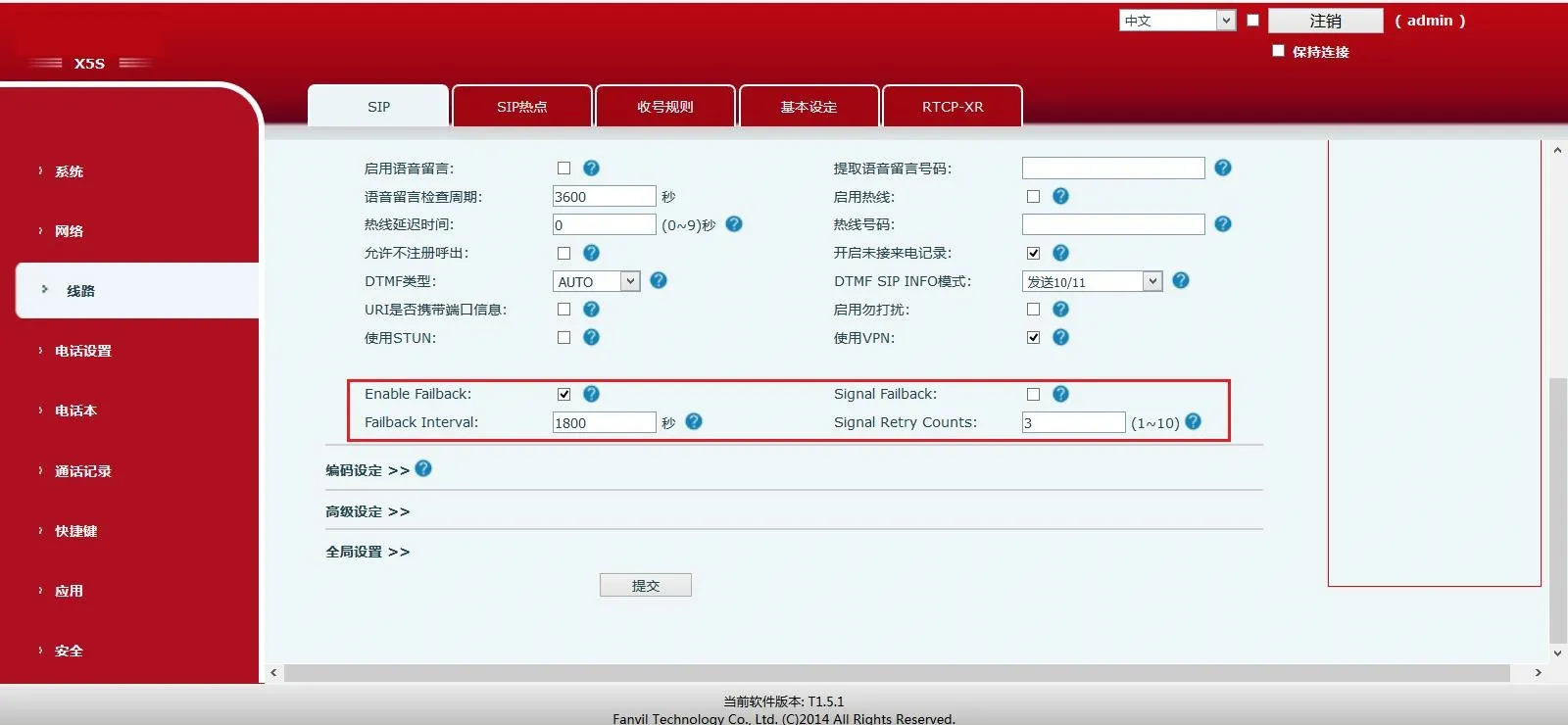
5) 現在ページの「基本設定」をクリックし、主系・予備系Failback関連の設定項目を設定します。図3を参照してください。
6) ページ下部の「送信」ボタンをクリックして設定を有効にします。
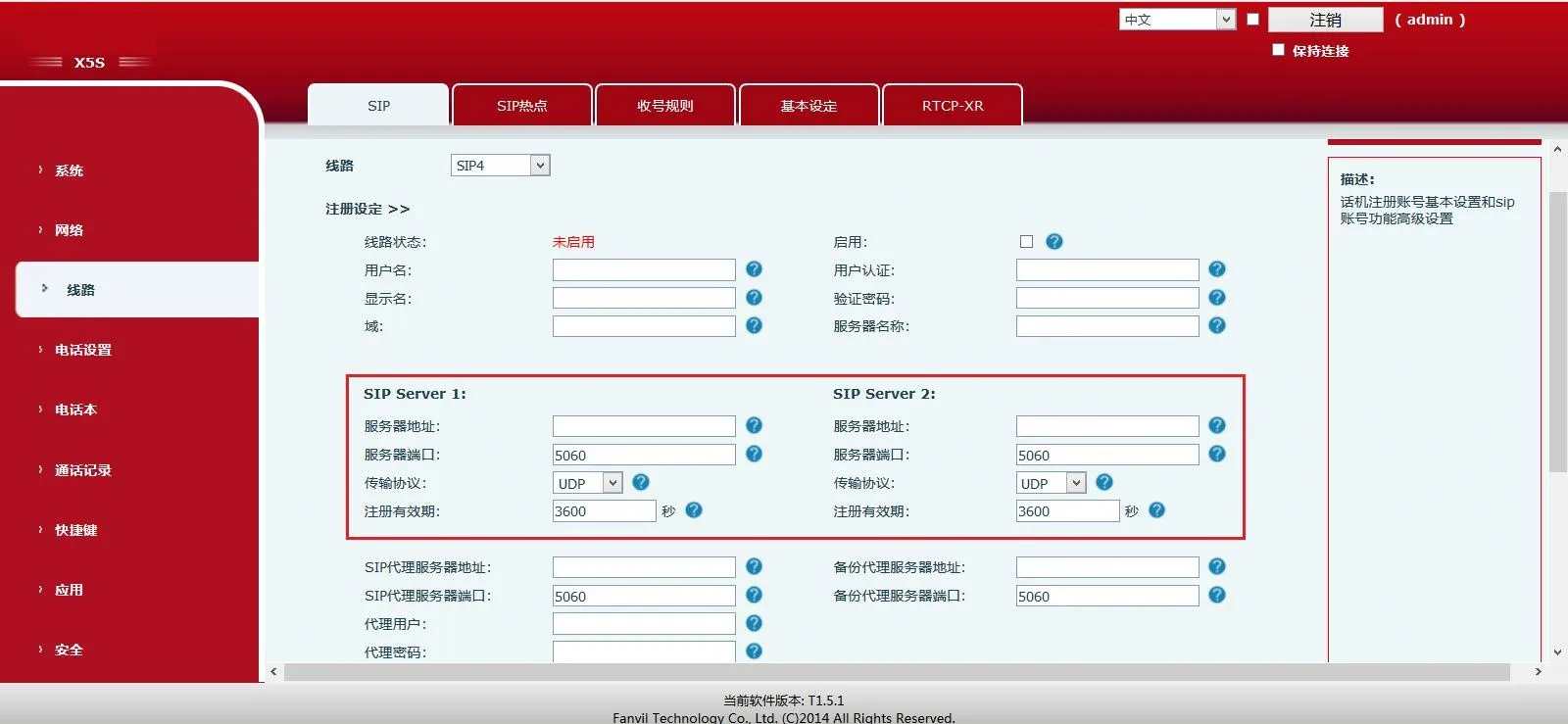
SIP Server主系・予備系設定
図2 SIP Server主系・予備系設定
SIP主系・予備系Failback設定

図3 SIP主系・予備系Failback設定

カタログ
顧客サービス 電話
We use cookie to improve your online experience. By continuing to browse this website, you agree to our use of cookie.

Cookies

This Cookie Policy explains how we use cookies and similar technologies when you access or use our website and related services. Please read this Policy together with our Terms and Conditions and Privacy Policy so that you understand how we collect, use, and protect information.

By continuing to access or use our Services, you acknowledge that cookies and similar technologies may be used as described in this Policy, subject to applicable law and your available choices.

Updates to This Cookie Policy

We may revise this Cookie Policy from time to time to reflect changes in legal requirements, technology, or our business practices. When we make updates, the revised version will be posted on this page and will become effective from the date of publication unless otherwise required by law.

Where required, we will provide additional notice or request your consent before applying material changes that affect your rights or choices.

What Are Cookies?

Cookies are small text files placed on your device when you visit a website or interact with certain online content. They help websites recognize your browser or device, remember your preferences, support essential functionality, and improve the overall user experience.

In this Cookie Policy, the term “cookies” also includes similar technologies such as pixels, tags, web beacons, and other tracking tools that perform comparable functions.

Why We Use Cookies

We use cookies to help our website function properly, remember user preferences, enhance website performance, understand how visitors interact with our pages, and support security, analytics, and marketing activities where permitted by law.

We use cookies to keep our website functional, secure, efficient, and more relevant to your browsing experience.

Categories of Cookies We Use

Strictly Necessary Cookies

These cookies are essential for the operation of the website and cannot be disabled in our systems where they are required to provide the service you request. They are typically set in response to actions such as setting privacy preferences, signing in, or submitting forms.

Without these cookies, certain parts of the website may not function correctly.

Functional Cookies

Functional cookies enable enhanced features and personalization, such as remembering your preferences, language settings, or previously selected options. These cookies may be set by us or by third-party providers whose services are integrated into our website.

If you disable these cookies, some services or features may not work as intended.

Performance and Analytics Cookies

These cookies help us understand how visitors use our website by collecting information such as traffic sources, page visits, navigation behavior, and general interaction patterns. In many cases, this information is aggregated and does not directly identify individual users.

We use this information to improve website performance, usability, and content relevance.

Targeting and Advertising Cookies

These cookies may be placed by our advertising or marketing partners to help deliver more relevant ads and measure the effectiveness of campaigns. They may use information about your browsing activity across different websites and services to build a profile of your interests.

These cookies generally do not store directly identifying personal information, but they may identify your browser or device.

First-Party and Third-Party Cookies

Some cookies are set directly by our website and are referred to as first-party cookies. Other cookies are set by third-party services, such as analytics providers, embedded content providers, or advertising partners, and are referred to as third-party cookies.

Third-party providers may use their own cookies in accordance with their own privacy and cookie policies.

Information Collected Through Cookies

Depending on the type of cookie used, the information collected may include browser type, device type, IP address, referring website, pages viewed, time spent on pages, clickstream behavior, and general usage patterns.

This information helps us maintain the website, improve performance, enhance security, and provide a better user experience.

Your Cookie Choices

You can control or disable cookies through your browser settings and, where available, through our cookie consent or preference management tools. Depending on your location, you may also have the right to accept or reject certain categories of cookies, especially those used for analytics, personalization, or advertising purposes.

Please note that blocking or deleting certain cookies may affect the availability, functionality, or performance of some parts of the website.

Restricting cookies may limit certain features and reduce the quality of your experience on the website.

Cookies in Mobile Applications

Where our mobile applications use cookie-like technologies, they are generally limited to those required for core functionality, security, and service delivery. Disabling these essential technologies may affect the normal operation of the application.

We do not use essential mobile application cookies to store unnecessary personal information.

How to Manage Cookies

Most web browsers allow you to manage cookies through browser settings. You can usually choose to block, delete, or receive alerts before cookies are stored. Because browser controls vary, please refer to your browser provider’s support documentation for details on how to manage cookie settings.

Contact Us

If you have any questions about this Cookie Policy or our use of cookies and similar technologies, please contact us at support@becke.cc .