Bi 20 SおよびBi 30屋内アクセス制御ユニットに電気ロックを接続する方法は?

はじめに

概要

本ガイドでは、Bi20S・Bi30 室内出入管理装置へ電気錠を配線する方法を説明します。適切な配線方式は、電気錠の起動電流と電源仕様に基づいて選択します。

電気錠の起動電流が 12V/500mA 以下の場合、出入管理装置から直接給電可能であり、こちらを内部電源モードと呼びます。起動電流が 12V/500mA を超える場合、装置はリレートリガーとしてのみ動作し、電気錠は専用外部電源で給電する必要があり、こちらを外部電源モードと呼びます。

2つのモードはJP1ジャンパで切り替えます。下記の手順に従い適切なモードを選択し、安全に配線作業を行ってください。

対応機種

Bi20S、Bi30

必要機材

1. Bi20S 室内出入管理装置1台、電気錠1台、電気錠用電源アダプタ、PoEスイッチ(または直流電源)。

2. 電気錠の必要電源モードを確認し、室内機のJP1設定を完了させる。

3. 設定・試験用パソコン1台。出入管理装置と同一ネットワークに接続してください。

機器とPCのネットワーク接続

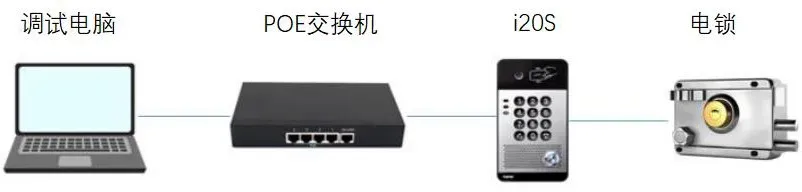
出入管理装置をスイッチに接続し、パソコンも同じスイッチへ接続し、相互通信可能な同一ネットワーク環境を構築します。図1を参照してください。
21.webp

                                                                                                     図 1

設定手順

電気錠を配線する前に、装置筐体を開け、電気錠の仕様に合わせJP1ジャンパを設定した後、正しい配線を行ってください。

出入管理装置を開く

ドライバーで固定ネジを取り外し、筐体を開放します。

JP1ジャンパ設定

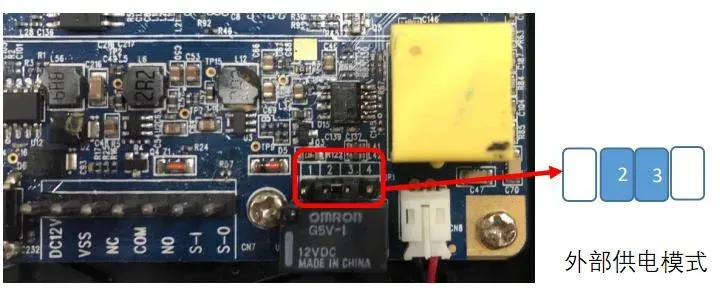
電気錠の仕様に応じてJP1ジャンパの位置を調整します。

電気錠の起動電流が 12V/500mA 以下の場合、室内機から給電する内部電源モードとなります。

電気錠の起動電流が 12V/500mA 超過の場合、室内機は乾接点出力として動作し、電気錠は外部電源必須の外部電源モードとなります。

内部電源モード JP1設定
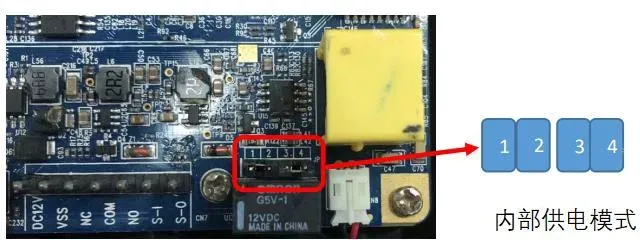
内部電源モード JP1設定

外部電源モード JP1設定

外部電源モード JP1設定

電気錠配線

内部電源配線

24.webp

注意:電気錠が無通電施錠(Fail-safe)または通電施錠(Fail-secure)のいずれかを確認してください。極性配線が異なります。無通電施錠タイプはプラス極をNC、通電施錠タイプはプラス極をNOに接続します。

警告:内部電源モードでは、電気錠に追加の外部電源を接続しないでください。機器故障の原因となります。

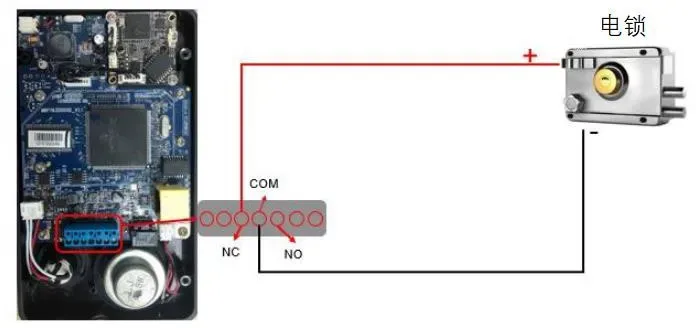
外部電源配線
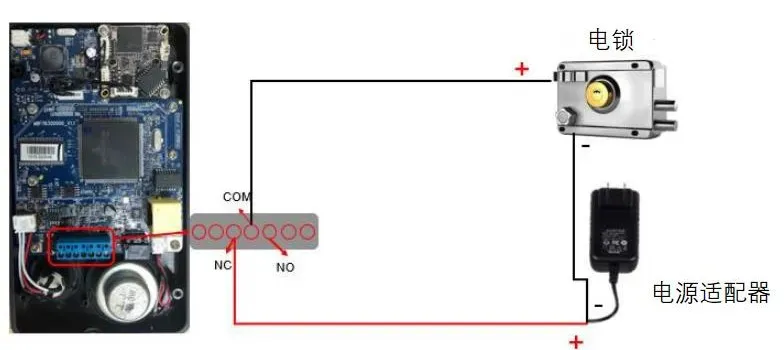
25.webp

補足1:錠の種類に応じNCまたはNOを選択して配線してください。

補足2:出入管理装置リレー出力定格:最大DC 30V/1AAC 125V/0.5A

通電・動作試験

1. 外部電源モード使用時は、電気錠用外部電源を起動してください。

2. 設定用PCのブラウザを開き、出入管理装置のIPアドレスを入力します。

28.webp

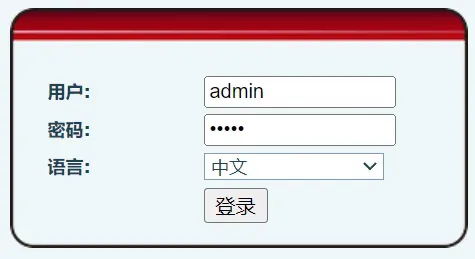
3. ログイン情報を入力。初期ユーザー名:admin、初期パスワード:admin

26.webp

4. ドアロック設定 > ドアロック制御へ進み、実行をクリックして施解錠動作を確認します。

ドアロック制御操作


カタログ
顧客サービス 電話
We use cookie to improve your online experience. By continuing to browse this website, you agree to our use of cookie.

Cookies

This Cookie Policy explains how we use cookies and similar technologies when you access or use our website and related services. Please read this Policy together with our Terms and Conditions and Privacy Policy so that you understand how we collect, use, and protect information.

By continuing to access or use our Services, you acknowledge that cookies and similar technologies may be used as described in this Policy, subject to applicable law and your available choices.

Updates to This Cookie Policy

We may revise this Cookie Policy from time to time to reflect changes in legal requirements, technology, or our business practices. When we make updates, the revised version will be posted on this page and will become effective from the date of publication unless otherwise required by law.

Where required, we will provide additional notice or request your consent before applying material changes that affect your rights or choices.

What Are Cookies?

Cookies are small text files placed on your device when you visit a website or interact with certain online content. They help websites recognize your browser or device, remember your preferences, support essential functionality, and improve the overall user experience.

In this Cookie Policy, the term “cookies” also includes similar technologies such as pixels, tags, web beacons, and other tracking tools that perform comparable functions.

Why We Use Cookies

We use cookies to help our website function properly, remember user preferences, enhance website performance, understand how visitors interact with our pages, and support security, analytics, and marketing activities where permitted by law.

We use cookies to keep our website functional, secure, efficient, and more relevant to your browsing experience.

Categories of Cookies We Use

Strictly Necessary Cookies

These cookies are essential for the operation of the website and cannot be disabled in our systems where they are required to provide the service you request. They are typically set in response to actions such as setting privacy preferences, signing in, or submitting forms.

Without these cookies, certain parts of the website may not function correctly.

Functional Cookies

Functional cookies enable enhanced features and personalization, such as remembering your preferences, language settings, or previously selected options. These cookies may be set by us or by third-party providers whose services are integrated into our website.

If you disable these cookies, some services or features may not work as intended.

Performance and Analytics Cookies

These cookies help us understand how visitors use our website by collecting information such as traffic sources, page visits, navigation behavior, and general interaction patterns. In many cases, this information is aggregated and does not directly identify individual users.

We use this information to improve website performance, usability, and content relevance.

Targeting and Advertising Cookies

These cookies may be placed by our advertising or marketing partners to help deliver more relevant ads and measure the effectiveness of campaigns. They may use information about your browsing activity across different websites and services to build a profile of your interests.

These cookies generally do not store directly identifying personal information, but they may identify your browser or device.

First-Party and Third-Party Cookies

Some cookies are set directly by our website and are referred to as first-party cookies. Other cookies are set by third-party services, such as analytics providers, embedded content providers, or advertising partners, and are referred to as third-party cookies.

Third-party providers may use their own cookies in accordance with their own privacy and cookie policies.

Information Collected Through Cookies

Depending on the type of cookie used, the information collected may include browser type, device type, IP address, referring website, pages viewed, time spent on pages, clickstream behavior, and general usage patterns.

This information helps us maintain the website, improve performance, enhance security, and provide a better user experience.

Your Cookie Choices

You can control or disable cookies through your browser settings and, where available, through our cookie consent or preference management tools. Depending on your location, you may also have the right to accept or reject certain categories of cookies, especially those used for analytics, personalization, or advertising purposes.

Please note that blocking or deleting certain cookies may affect the availability, functionality, or performance of some parts of the website.

Restricting cookies may limit certain features and reduce the quality of your experience on the website.

Cookies in Mobile Applications

Where our mobile applications use cookie-like technologies, they are generally limited to those required for core functionality, security, and service delivery. Disabling these essential technologies may affect the normal operation of the application.

We do not use essential mobile application cookies to store unnecessary personal information.

How to Manage Cookies

Most web browsers allow you to manage cookies through browser settings. You can usually choose to block, delete, or receive alerts before cookies are stored. Because browser controls vary, please refer to your browser provider’s support documentation for details on how to manage cookie settings.

Contact Us

If you have any questions about this Cookie Policy or our use of cookies and similar technologies, please contact us at support@becke.cc .