百科事典
2026-09-16 18:24:30

産業用インターホン・構内放送システムの選び方

産業用インターホン・放送システムの選定では、双方向通話と放送ゾーンを整理し、現場の音声とSIPインターフェースを確認して、優先順位、電源継続性、障害時の動作、実用的な受入試験を定めます。

ベッケテレコム

産業用インターホン・構内放送システムの選び方

産業施設には、区域への一斉放送と作業員が応答できる実用的な手段の両方が必要です。放送とインターホンを相互に補完する機能として計画します。スピーカーは区域に音声を届け、インターホンや電話は個人の応答経路を提供します。機器を選ぶ前に運用上の作業を整理してください。

機器選定の前に通信経路を整理する

作業ごとに、発信者または起動要因、宛先、応答の要否、担当オペレーター、代替経路を記録します。制御室から個別端末への通話、単一・複数ゾーン放送、現場支援、ワンボタン緊急通報、監督者の放送、警報連動メッセージを含めます。倉庫放送は1対多ですが、保守の会話には双方向音声が必要です。

放送ゾーンとインターホンの利用地点は分けて計画します。長い作業場に1つの放送ゾーン、6台のホーンスピーカー、3台の現場インターホンを置く構成も考えられますが、これは説明用の数量であり、設計基準ではありません。複数ゾーンを1人のオペレーターが担当しても、発信位置を確実に表示する必要があります。各スピーカーにインターホンを割り当てるのではなく、作業場所や支援を求める地点に通話端末を配置します。
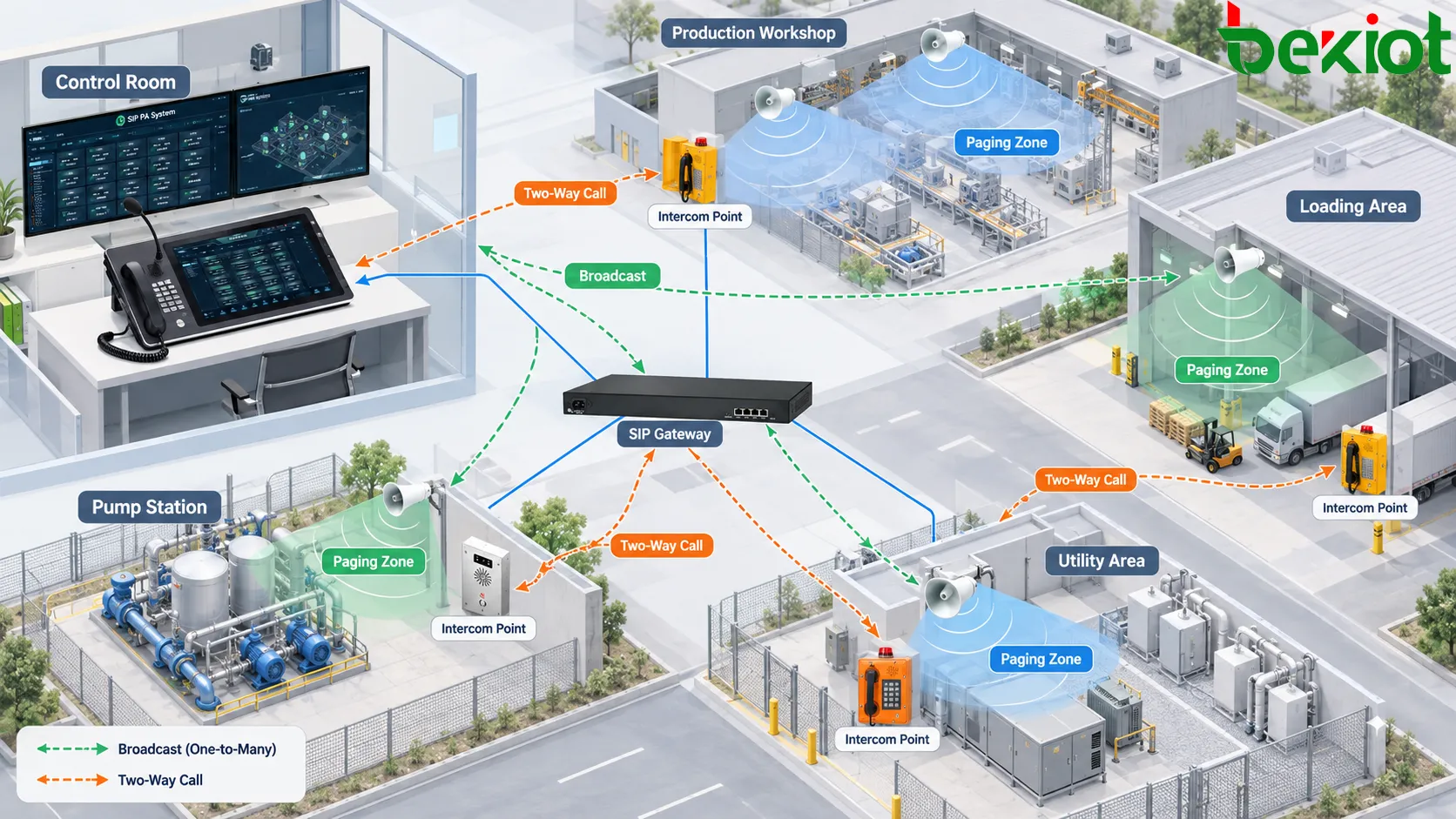
制御室、放送ゾーン、インターホン地点、SIPゲートウェイを描いた産業施設の模式図

端末とインターフェースを役割に合わせる

端末 選定の目的
ホーンスピーカーまたはIPスピーカー 区域放送を届ける。放送範囲と対応する音声配信方式を確認します。
SIPインターホンまたは産業用電話 現場で使える双方向通話を提供する。作業に合わせて受話器またはハンズフリーを選びます。
ワンボタン通話端末 簡単な操作で所定のオペレーターまたは予備の宛先につなぎます。
放送マイクまたは指令コンソール オペレーター権限に従ってゾーンを選択し、通話を調整します。
放送ゲートウェイ 互換性のあるアナログPA機器をIPプラットフォームに接続する。音声レベル、リレー、ゾーン制御を確認します。

粉じん、水、温度、腐食、振動、衝撃、手袋、聴覚保護具、背景騒音を確認します。屋外保護と危険場所での認証は別の確認事項です。IP等級は防爆性能の証明にはなりません。実際の認証と設置要件を、分類された設置場所に適合させてください。

現場操作は簡単にします。故障報告地点には通話ボタン1つで足りる場合があり、保守用電話では口元に近いマイクが役立ちます。制御卓にはゾーンキーや通話履歴が必要な場合があります。端末、ゲートウェイ、プラットフォームのどこで実現する機能か、別途連携や個別開発が必要かを確認します。

放送の明瞭度と音声の戻り経路を検証する

放送では、スピーカーの位置と向き、障害物、放送範囲の重なり、残響、背景騒音、ゾーン境界を評価します。アンプ出力を上げるだけでは明瞭度は確保できません。必要に応じ、購入前に音声明瞭度の試験方法と案件の受入基準値を合意してください。IEC 60268-16はSTIの方法を示しますが、それ自体で音声警報の認証基準を定めるものではありません。

インターホン通話では、現場マイクとの距離と方向、周囲騒音、エコー制御、半二重・全二重の動作を試験します。実際の聴覚保護具と作業条件で受話器とハンズフリーを比較します。代表的な稼働騒音下で、現場作業員とオペレーターが相互に理解できることを確認してください。
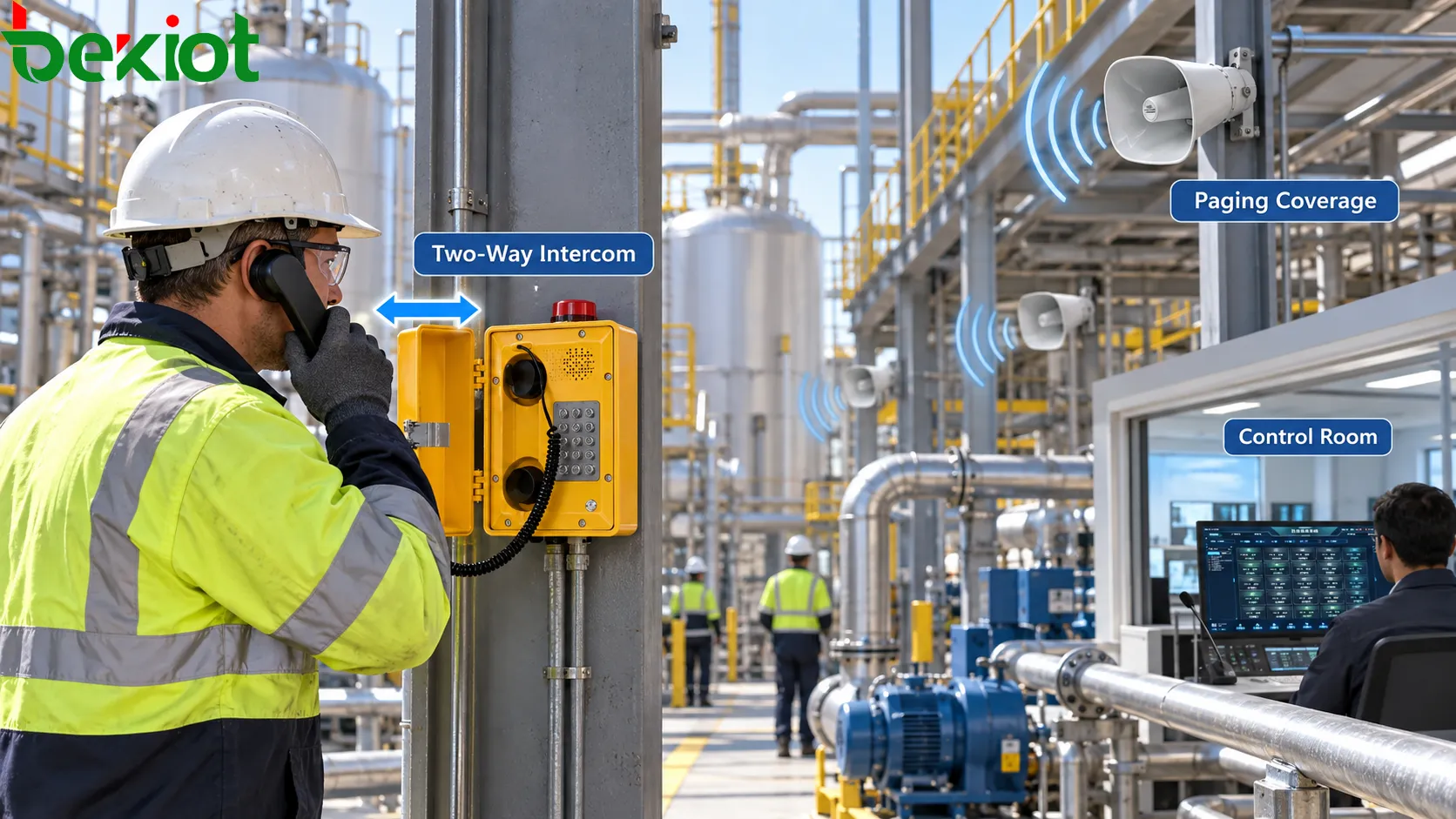
ホーンスピーカーのそばで産業用受話器を使う作業員と、制御室の挿入図

SIP通話、グループ放送、既設システムとの接続を定める

代表的な通話経路は、現場インターホン → IPネットワーク → SIPプラットフォーム → 制御室コンソールです。放送は、マイク → 放送プラットフォーム → 選択ゾーン → 音声端末の経路を取る場合があります。SIPはセッションのシグナリングを提供します。SIPへの共通対応だけで、放送グループ、自動応答、マルチキャスト、録音、優先制御、警報連携が保証されるわけではありません。

  • ルーティング、共通コーデック、DTMFまたはプログラマブルキー、登録の復旧、権限、メディア経路全体を確認します。

  • 小規模グループでは、個別SIPセッションの処理容量を確認します。マルチキャストでは、送受信側の対応、スイッチの動作、VLANの範囲、サブネット間ルーティングを検証します。

  • アナログPAでは、ゲートウェイ出力、アンプ入力、接地、リレー動作、独立したゾーン制御を確認します。無線や警報との接続には、それぞれの音声・シグナリングインターフェースを定める必要があります。

提案された構成を 構内放送・インターホン放送システム と照合し、その案件で対応可能な構成を確認してください。

優先順位、障害時の動作、受入条件を定める

通常放送、業務放送、優先・緊急放送、通常の現場通話、緊急通報を含む優先順位表を作成します。各機能を起動できる人、通話中の割込み、重複ゾーンの動作、中断したセッションの扱いを定めます。緊急用途には案件と地域の該当要件が適用されます。一般的なSIPシステムが自動的に認証済み音声警報システムになるわけではありません。

サーバー、スイッチ、ゲートウェイ、アンプ、現場端末を含め、電源とネットワークの依存関係を端から端まで追跡します。障害後に使用できる経路、予備オペレーターへの着信方法、SIP再起動後の端末復旧方法を明示します。必要な運用手順について冗長性を実証してください。

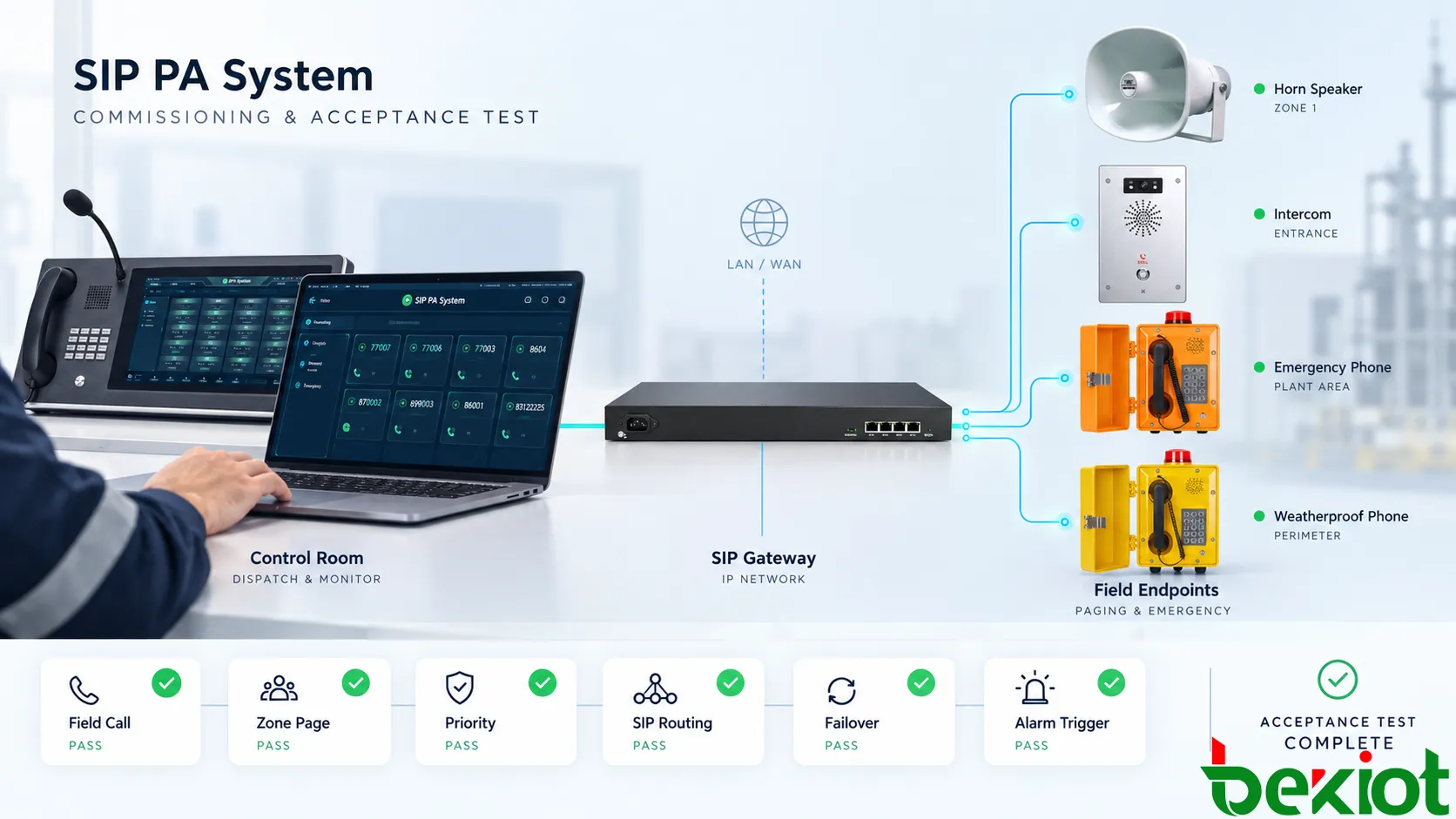
受入シナリオ 必要な確認結果
現場通話と緊急通報 正しいオペレーターまたは予備の宛先につながり、双方向の音声が明瞭で操作しやすいこと。
単一・複数ゾーン放送 対象区域だけに明瞭な音声が届くこと。ゾーンが重なる場所ではタイミングも確認します。
通話中の放送 文書化された優先順位と割込み規則どおりに動作すること。
警報連動放送 入力、承認されたロジック、メッセージ、対象ゾーン、復帰が仕様どおりに動作すること。
電源・アンプ・ネットワークの障害 影響する経路が耐障害設計と一致すること。代替動作と復旧を確認します。
コンソール、ゲートウェイ、現場端末、試験アイコンを描いたSIP PA試運転の概念図
説明用の受入チェックリストであり、設置完了や案件試験の成功を証明するものではありません。

よくある質問

放送とインターホンは同じIPネットワークを使えますか。

帯域幅、QoS、セグメント分割、電源継続性、障害時の経路が想定負荷に対応していれば可能です。マルチキャストを使用する場合、ネットワークと端末の専用対応が必要です。

IPスピーカーはインターホンの代わりになりますか。

マイク、操作部、双方向動作が用途を満たす場合に限られます。放送スピーカーには戻り経路がまったくない場合もあります。

既設のアナログPA機器は残せますか。

適切なゲートウェイを使えば可能な場合が多くあります。音声、制御、優先順位、監視の実際のインターフェースを確認してください。ゲートウェイ入力1つで、すべてのスピーカー回路を自動的に独立制御できるわけではありません。

Becke Telcomへの案件相談では、通信経路図、ゾーン計画、現場条件、既設インターフェース、受入試験表を提示してください。提案構成を施設要件と照合できます。

技術参考資料

SIPセッションのシグナリングについては、 IETF RFC 3261を参照してください。

音声明瞭度の測定方法とその制約については、 IEC 60268-16:2020を参照してください。
おすすめ商品
カタログ
顧客サービス 電話
We use cookie to improve your online experience. By continuing to browse this website, you agree to our use of cookie.

Cookies

This Cookie Policy explains how we use cookies and similar technologies when you access or use our website and related services. Please read this Policy together with our Terms and Conditions and Privacy Policy so that you understand how we collect, use, and protect information.

By continuing to access or use our Services, you acknowledge that cookies and similar technologies may be used as described in this Policy, subject to applicable law and your available choices.

Updates to This Cookie Policy

We may revise this Cookie Policy from time to time to reflect changes in legal requirements, technology, or our business practices. When we make updates, the revised version will be posted on this page and will become effective from the date of publication unless otherwise required by law.

Where required, we will provide additional notice or request your consent before applying material changes that affect your rights or choices.

What Are Cookies?

Cookies are small text files placed on your device when you visit a website or interact with certain online content. They help websites recognize your browser or device, remember your preferences, support essential functionality, and improve the overall user experience.

In this Cookie Policy, the term “cookies” also includes similar technologies such as pixels, tags, web beacons, and other tracking tools that perform comparable functions.

Why We Use Cookies

We use cookies to help our website function properly, remember user preferences, enhance website performance, understand how visitors interact with our pages, and support security, analytics, and marketing activities where permitted by law.

We use cookies to keep our website functional, secure, efficient, and more relevant to your browsing experience.

Categories of Cookies We Use

Strictly Necessary Cookies

These cookies are essential for the operation of the website and cannot be disabled in our systems where they are required to provide the service you request. They are typically set in response to actions such as setting privacy preferences, signing in, or submitting forms.

Without these cookies, certain parts of the website may not function correctly.

Functional Cookies

Functional cookies enable enhanced features and personalization, such as remembering your preferences, language settings, or previously selected options. These cookies may be set by us or by third-party providers whose services are integrated into our website.

If you disable these cookies, some services or features may not work as intended.

Performance and Analytics Cookies

These cookies help us understand how visitors use our website by collecting information such as traffic sources, page visits, navigation behavior, and general interaction patterns. In many cases, this information is aggregated and does not directly identify individual users.

We use this information to improve website performance, usability, and content relevance.

Targeting and Advertising Cookies

These cookies may be placed by our advertising or marketing partners to help deliver more relevant ads and measure the effectiveness of campaigns. They may use information about your browsing activity across different websites and services to build a profile of your interests.

These cookies generally do not store directly identifying personal information, but they may identify your browser or device.

First-Party and Third-Party Cookies

Some cookies are set directly by our website and are referred to as first-party cookies. Other cookies are set by third-party services, such as analytics providers, embedded content providers, or advertising partners, and are referred to as third-party cookies.

Third-party providers may use their own cookies in accordance with their own privacy and cookie policies.

Information Collected Through Cookies

Depending on the type of cookie used, the information collected may include browser type, device type, IP address, referring website, pages viewed, time spent on pages, clickstream behavior, and general usage patterns.

This information helps us maintain the website, improve performance, enhance security, and provide a better user experience.

Your Cookie Choices

You can control or disable cookies through your browser settings and, where available, through our cookie consent or preference management tools. Depending on your location, you may also have the right to accept or reject certain categories of cookies, especially those used for analytics, personalization, or advertising purposes.

Please note that blocking or deleting certain cookies may affect the availability, functionality, or performance of some parts of the website.

Restricting cookies may limit certain features and reduce the quality of your experience on the website.

Cookies in Mobile Applications

Where our mobile applications use cookie-like technologies, they are generally limited to those required for core functionality, security, and service delivery. Disabling these essential technologies may affect the normal operation of the application.

We do not use essential mobile application cookies to store unnecessary personal information.

How to Manage Cookies

Most web browsers allow you to manage cookies through browser settings. You can usually choose to block, delete, or receive alerts before cookies are stored. Because browser controls vary, please refer to your browser provider’s support documentation for details on how to manage cookie settings.

Contact Us

If you have any questions about this Cookie Policy or our use of cookies and similar technologies, please contact us at support@becke.cc .