1. Project Background
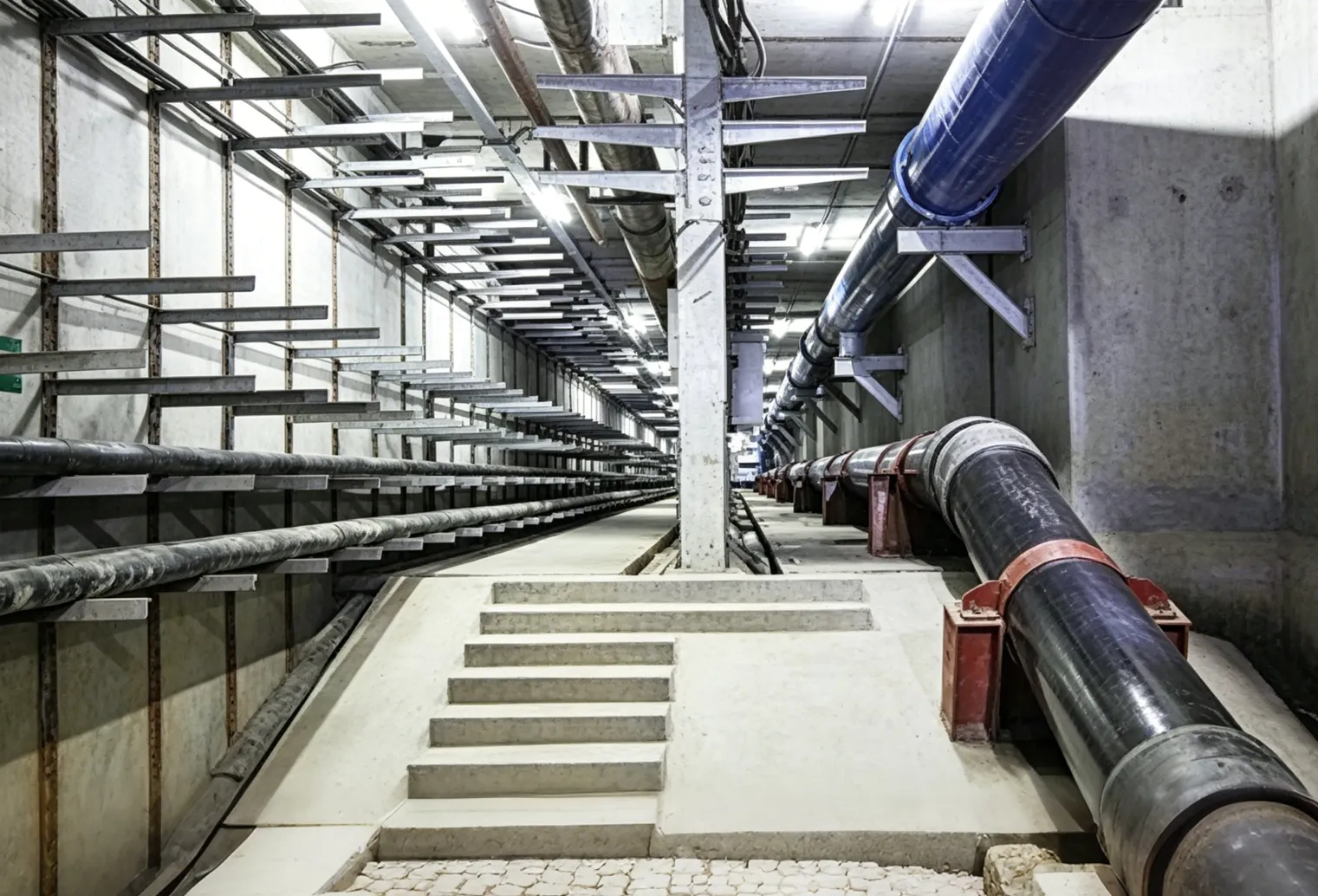
A certain underground utility tunnel project in Sichuan serves as a municipal pipeline hub in the urban core area, with a total length of approximately 2.8 kilometers. It adopts a multi-compartment design including a power compartment, communication compartment, and integrated utility compartment, carrying critical municipal pipelines such as power, telecommunications, water supply and drainage, and gas. It is the “underground lifeline” that supports the normal operation of the city.
The utility tunnel passes through major commercial districts and old urban areas, where geological conditions are complex. The compartments are enclosed, dimly lit, humid, and dusty, while the pipelines are densely distributed and maintenance passages are narrow, creating major challenges for routine inspections and emergency response.
The utility tunnel requires maintenance personnel to carry out regular inspections. In the event of pipeline leaks, equipment failures, personnel entrapment, or other emergencies, traditional communication methods suffer from severe signal obstruction, multiple communication blind spots, and delays in command delivery. These issues prevent efficient coordination between maintenance personnel and the management center, which can lead to incident escalation and affect normal city operations.
2. Project Requirements Analysis
Based on the practical needs of routine inspections and emergency response in the utility tunnel, the core requirements are as follows:
-
Enable full-area voice communication coverage throughout the utility tunnel with no blind spots, supporting two-way intercom between handheld terminals used by maintenance personnel, fixed tunnel terminals, and the management center, while ensuring multiple teams can stay online simultaneously for coordinated operations.
-
Provide emergency linkage functions and support deep integration with the tunnel’s existing fire alarm system, environmental monitoring system (temperature, humidity, gas concentration, water accumulation), and ventilation system, so that a full-chain emergency response can be rapidly activated after an alarm is triggered.
-
Support multi-network convergence and compatibility with public security trunking systems and carrier 4G/5G networks, ensuring cross-department communication among the management center, maintenance staff, and emergency response departments such as fire services and municipal authorities.
-
Enable precise positioning of maintenance personnel and key equipment, making it easier to quickly locate trapped personnel and fault points during emergencies, thereby improving rescue efficiency.
-
Equipment must be suitable for the harsh environment of the utility tunnel, including enclosed spaces, humidity, dust, and vibration, with a high protection rating and support for long-duration emergency operation without mains power, ensuring uninterrupted communication in extreme scenarios.
-
The management center should support visual dispatching, allowing operators to view real-time tunnel video feeds and conduct linked voice and video dispatching with on-site personnel to gain an intuitive understanding of现场 conditions.
3. Overall System Design
(1) System Architecture (Four-Layer Architecture)
To address the characteristics of the utility tunnel environment, a four-layer architecture of “control center + transmission network + field terminals + audiovisual linkage” is adopted. This approach balances stability, scalability, and scenario adaptability, ensuring rapid emergency communication response and full-area coverage.
Layer |
Core Equipment |
Function Description |
Control Center Layer |
Becke IP Broadcasting and Intercom Core Server, touchscreen dispatch console, integrated video platform |
The system control hub, responsible for command generation, device management, multi-system linkage, and audio/video dispatching, enabling unified emergency command. |
Transmission Network Layer |
Industrial-grade fiber optic ring network, 5G private network base stations, Mesh self-organizing network gateways |
Builds dual-redundant links, with fiber as the primary channel and 5G and Mesh as backup, ensuring no signal blind spots and no interruption throughout the utility tunnel. |
Field Terminal Layer |
Emergency help phones, SIP broadcasting loudspeakers, handheld intercom terminals, audible and visual alarm devices, positioning terminals |
Deployed across different areas of the utility tunnel to execute dispatch commands and provide functions such as one-touch emergency calls and two-way intercom, enabling real-time communication between the field and the center. |
Linked Control Layer |
Fire alarm interfaces, environmental monitoring modules, ventilation control units, pipeline monitoring terminals |
Automatically triggers emergency events and coordinates different types of equipment to work together, reducing manual intervention and improving response efficiency. |
(2) Core Technical Solutions
1. Multi-Network Converged Communication Technology
An industrial-grade fiber optic ring network is used as the backbone to build a dual-ring redundant network with a self-healing time of ≤50 ms, ensuring stable terminal transmission. One private network base station is deployed in each utility tunnel compartment, using a distributed antenna system (DAS) to achieve full-area 5G coverage. At the same time, Mesh self-organizing network gateways are deployed to automatically form a network with one-touch startup. In the event of a primary network failure, the system automatically switches over to ensure 72 hours of uninterrupted emergency communication, effectively solving signal shielding problems inside the utility tunnel.
2. Emergency Linkage Mechanism
When the utility tunnel’s environmental monitoring or fire alarm devices trigger an alarm, the system rapidly launches an emergency response: alarm information including location and event type is sent to the management center; audible and visual alarms and emergency broadcasting are activated in the corresponding area to play evacuation guidance; ventilation and emergency lighting are switched on, and compartment isolation doors are closed; alarm information is simultaneously shared with fire services, municipal authorities, and other departments to support cross-department coordinated response.
3. Precise Positioning Technology
A hybrid positioning solution is adopted, with one positioning base station deployed in each utility tunnel compartment. Maintenance personnel wear positioning terminals, and key equipment is fitted with positioning modules, achieving a low positioning error. Positioning data is transmitted back to the dispatch console in real time, clearly displaying personnel locations, movement tracks, and equipment distribution, so that evacuation and rescue routes can be quickly planned during emergencies.
4. Detailed System Configuration
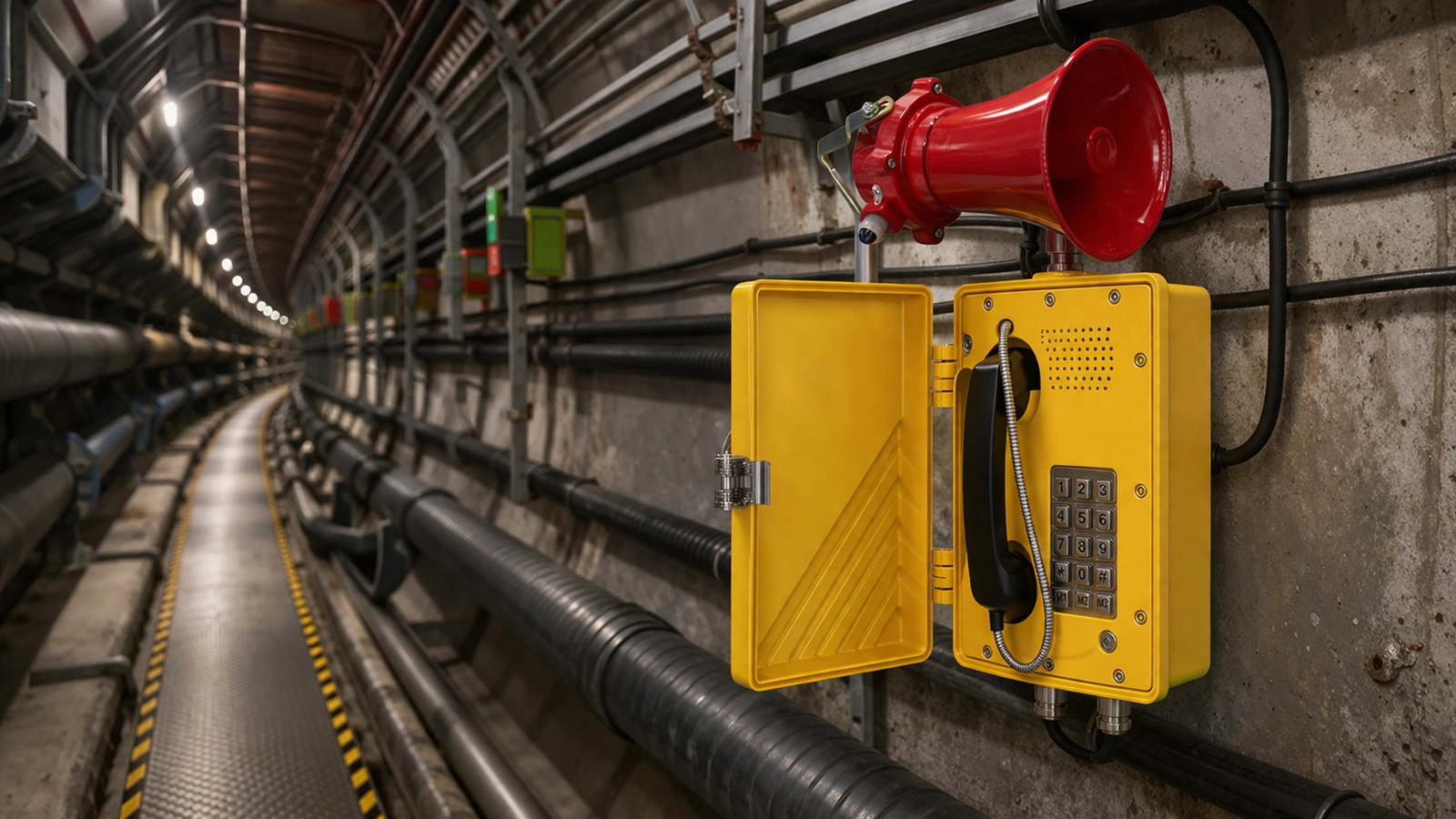
Becke provides an integrated communication solution for utility tunnels, covering both the core dispatching equipment in the central equipment room and explosion-proof emergency communication terminals inside the tunnel, enabling integrated control of intercom, broadcasting, video linkage, and full-cycle recording.
(1) Central Equipment Room Devices
Device Name |
Model |
Quantity |
Core Function |
IP Broadcasting and Intercom Core Server |
BK-RCS-U4000 |
2 units (primary and backup) |
The system core, supporting registration of 2000+ terminals, with primary/backup redundancy to prevent single points of failure. |
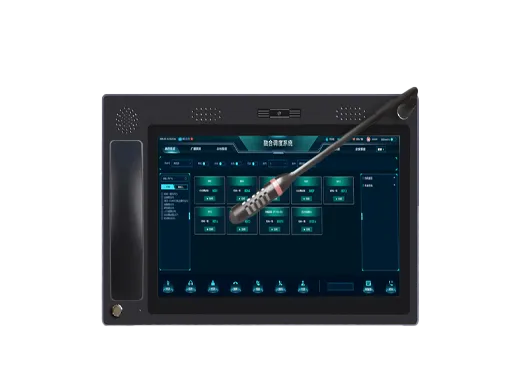
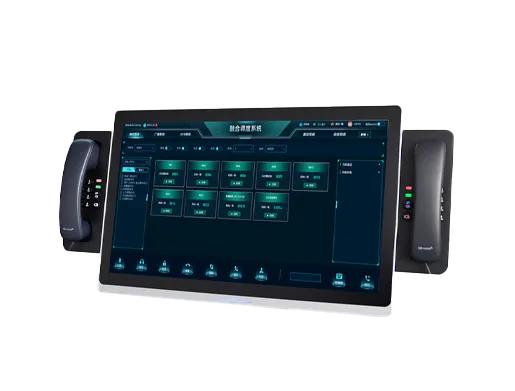
Touchscreen Dispatch Console |
DSC-BD215S-IP |
1 unit |
15-inch touchscreen, integrating video monitoring, voice dispatching, and other functions for all-in-one operation. |
Integrated Video Platform |
BK-DVG108032P |
1 unit |
Supports access to 56 HD cameras, with video preview, playback, and audio/video linkage functions. |
Recording Server |
BK-SIP8T |
1 unit |
24-hour recording, 10 TB storage, and 365-day query support for convenient emergency traceability. |
(2) Terminal Devices Inside the Utility Tunnel
Device Type |
Model |
Installation Location |
Key Features |
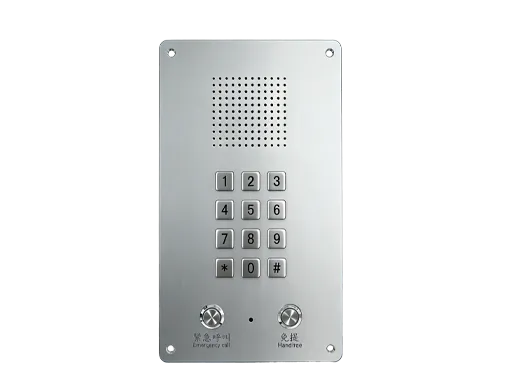
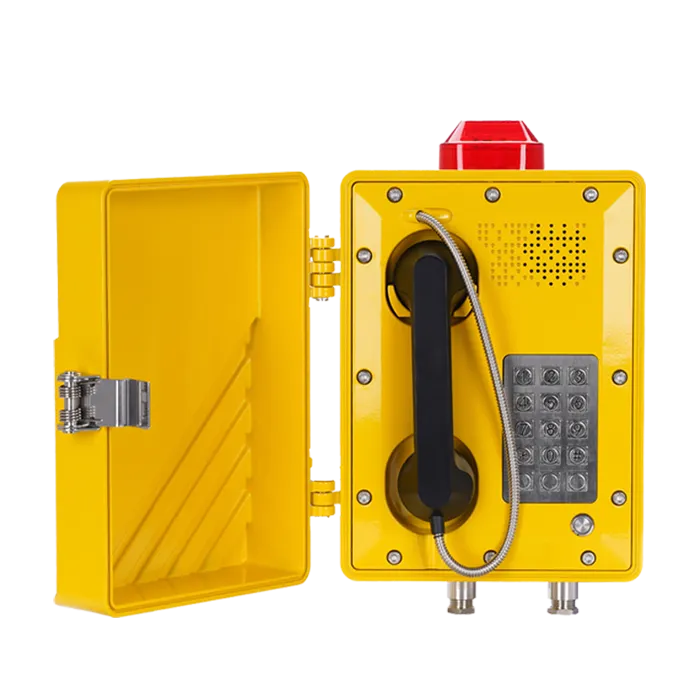
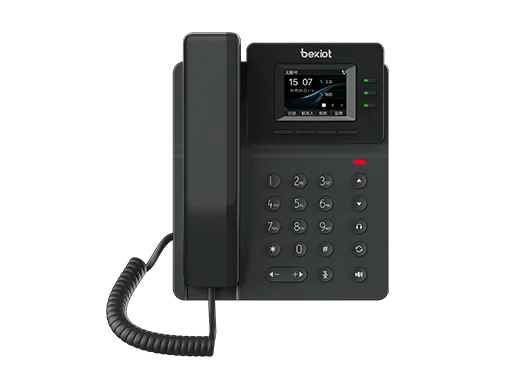
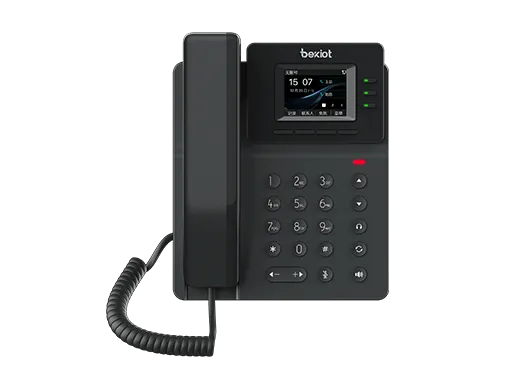
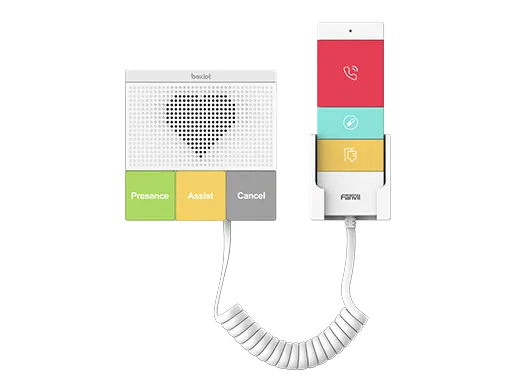
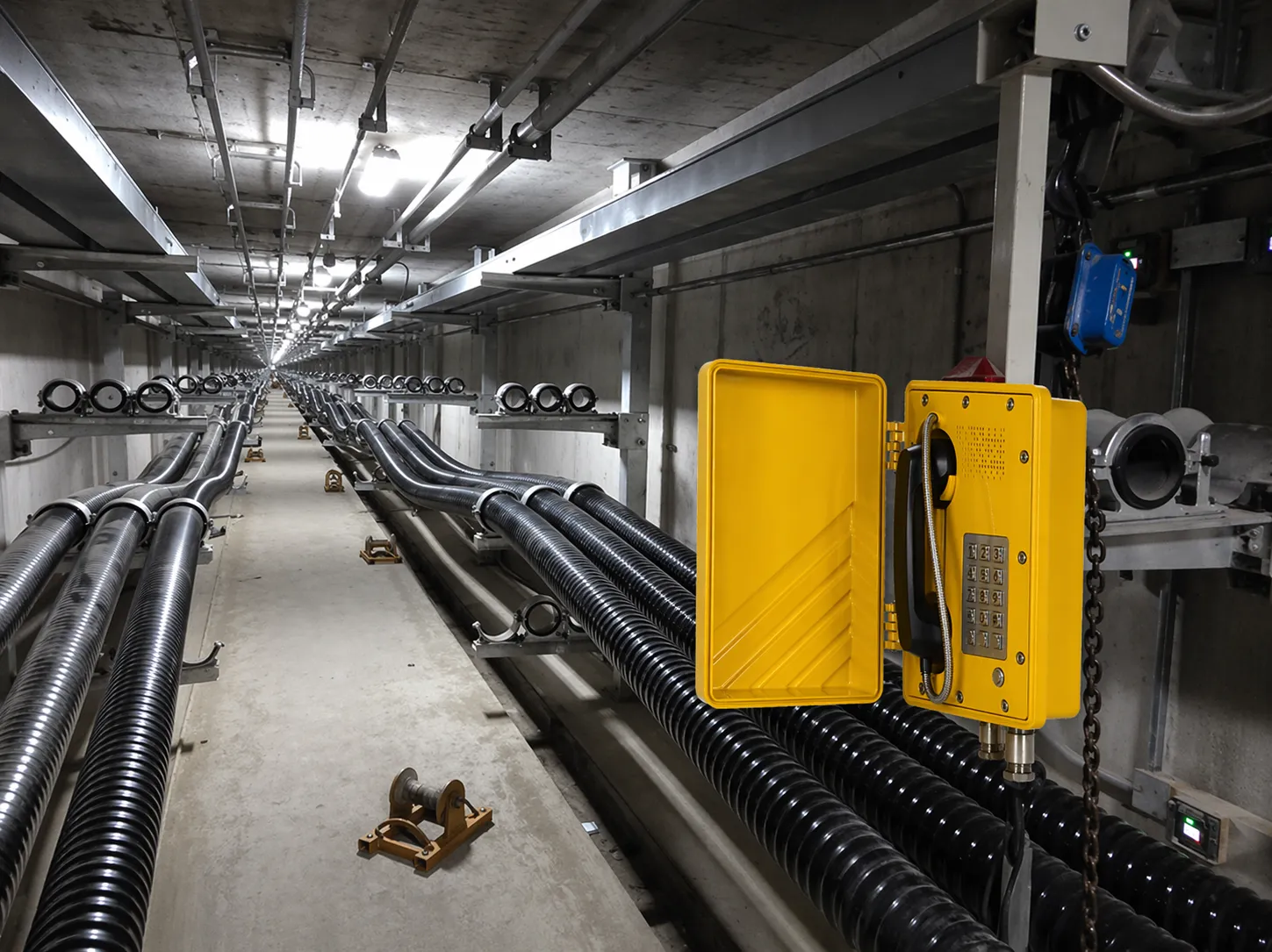
Emergency Help Phone |
EX-BT27, EX-BH621 |
Every 200 meters along maintenance passages |
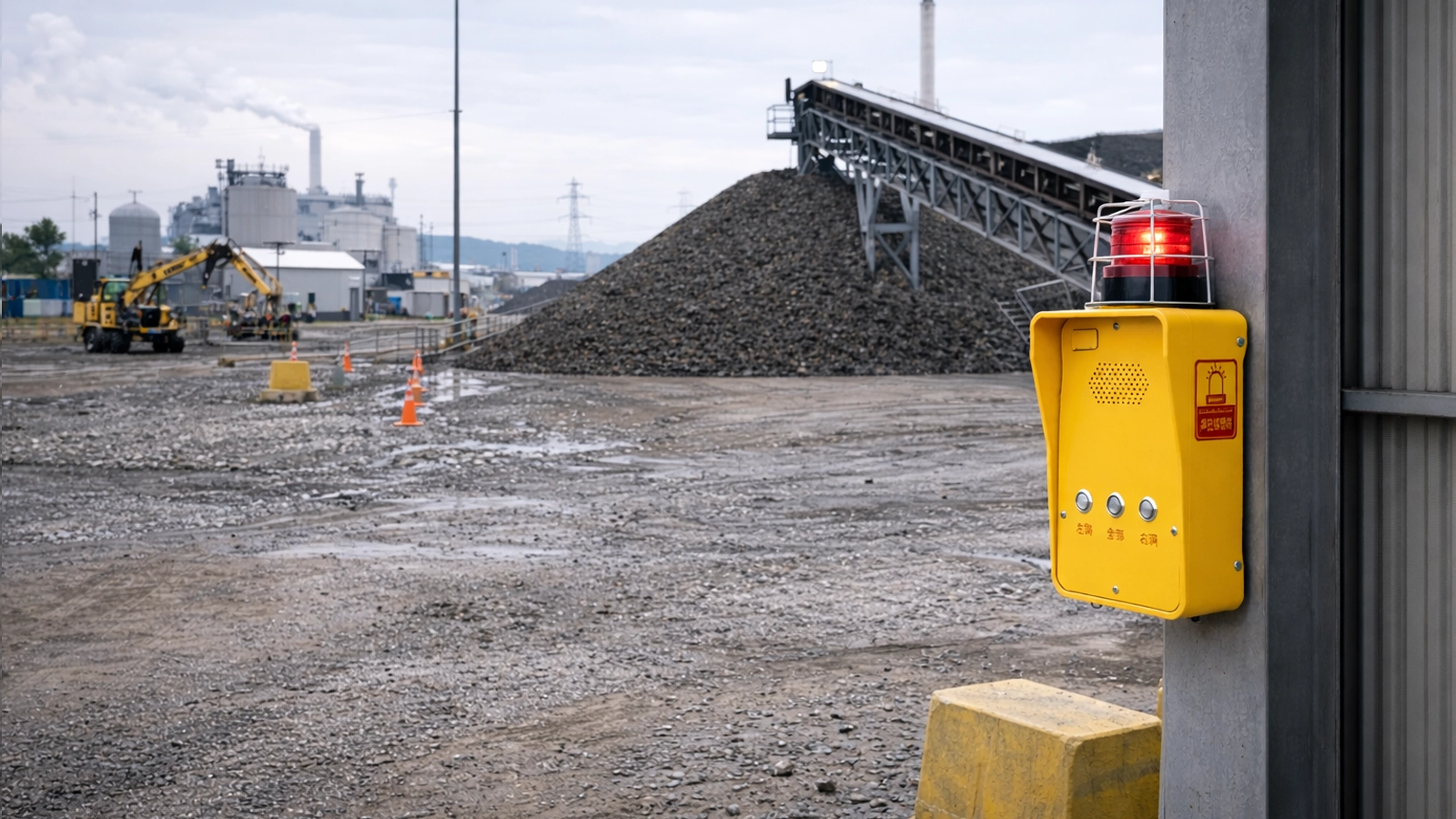
IP66 protection, one-touch calling, automatic address reporting, suitable for humid and dusty environments. |
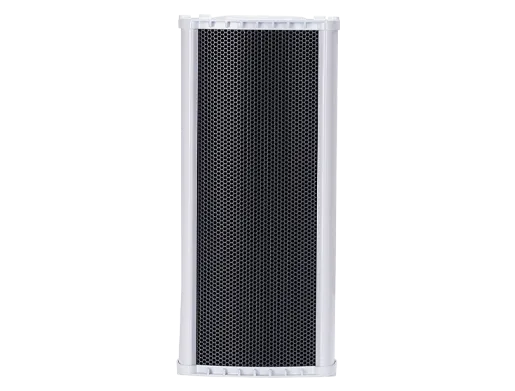
Broadcast Loudspeaker |
SK Series |
Every 100 meters on the tunnel ceiling |
Waterproof horn speaker, high power, 50-meter coverage, with clear and audible broadcasting. |
Audible and Visual Alarm Device |
Becke AL-200 |
Compartment entrances and intersections |
120 dB high-decibel alarm, flashing red and blue lights, linked with broadcasting for evacuation alerts. |
5. System Functions and Application Results
(1) Core Function Implementation
Function Module |
Implementation Result |
User Feedback |
One-Touch Emergency Help |
In emergencies, pressing the help button connects to the management center within 3 seconds and automatically reports the location, enabling a rapid response. |
Maintenance personnel: “It is convenient to ask for help and quickly connect with the center, making it easier to handle unexpected situations.” |
Full-Area Broadcasting |
Supports full-area or zoned broadcasting. Emergency commands and notifications can clearly cover the entire utility tunnel, ensuring information is delivered effectively. |
Utility tunnel operator: “Command delivery is highly efficient and has greatly improved emergency response efficiency.” |
Multi-Network Coordination |
Breaks communication barriers so that different devices used by different departments can interconnect and interoperate, ensuring smooth coordinated response. |
Emergency rescue department: “Cross-department communication is smooth, allowing us to coordinate and launch rescue operations quickly.” |
Precise Positioning |
Provides real-time positioning of personnel and equipment, enabling quick identification of trapped personnel and fault points during emergencies and shortening rescue time. |
Utility tunnel operator: “The positioning is accurate, and rescue efficiency has improved significantly.” |
Visual Dispatching |
The dispatch console can display real-time video and conduct video intercom with the field, giving operators an intuitive view of the situation and enabling precise command delivery. |
Dispatcher: “The现场 situation is clear at a glance, making dispatching more accurate and efficient.” |
Emergency Linkage |
After an alarm is triggered, different types of equipment are automatically linked to enable automated emergency handling and reduce manual intervention. |
Utility tunnel operator: “The linked response is fast and effectively prevents incidents from escalating.” |
(2) Practical Application Results
After deployment, the system completely resolved pain points such as communication blind spots and delayed command delivery in the utility tunnel, achieving full-area communication coverage and coordinated multi-system linkage. During routine inspections, maintenance personnel can communicate with the management center in real time and promptly report pipeline conditions. In emergency scenarios, the system delivers very fast response times and can quickly coordinate all relevant departments, reducing accident losses.
During operation, the system successfully handled several minor emergency incidents, including minor pipeline leakage and trapped maintenance personnel. All incidents were resolved quickly without escalation, fully verifying the stability and practicality of the solution. It provides reliable emergency communication support for the safe operation of the utility tunnel and is well suited to the complex geological and operational environment of utility tunnel projects in Sichuan.